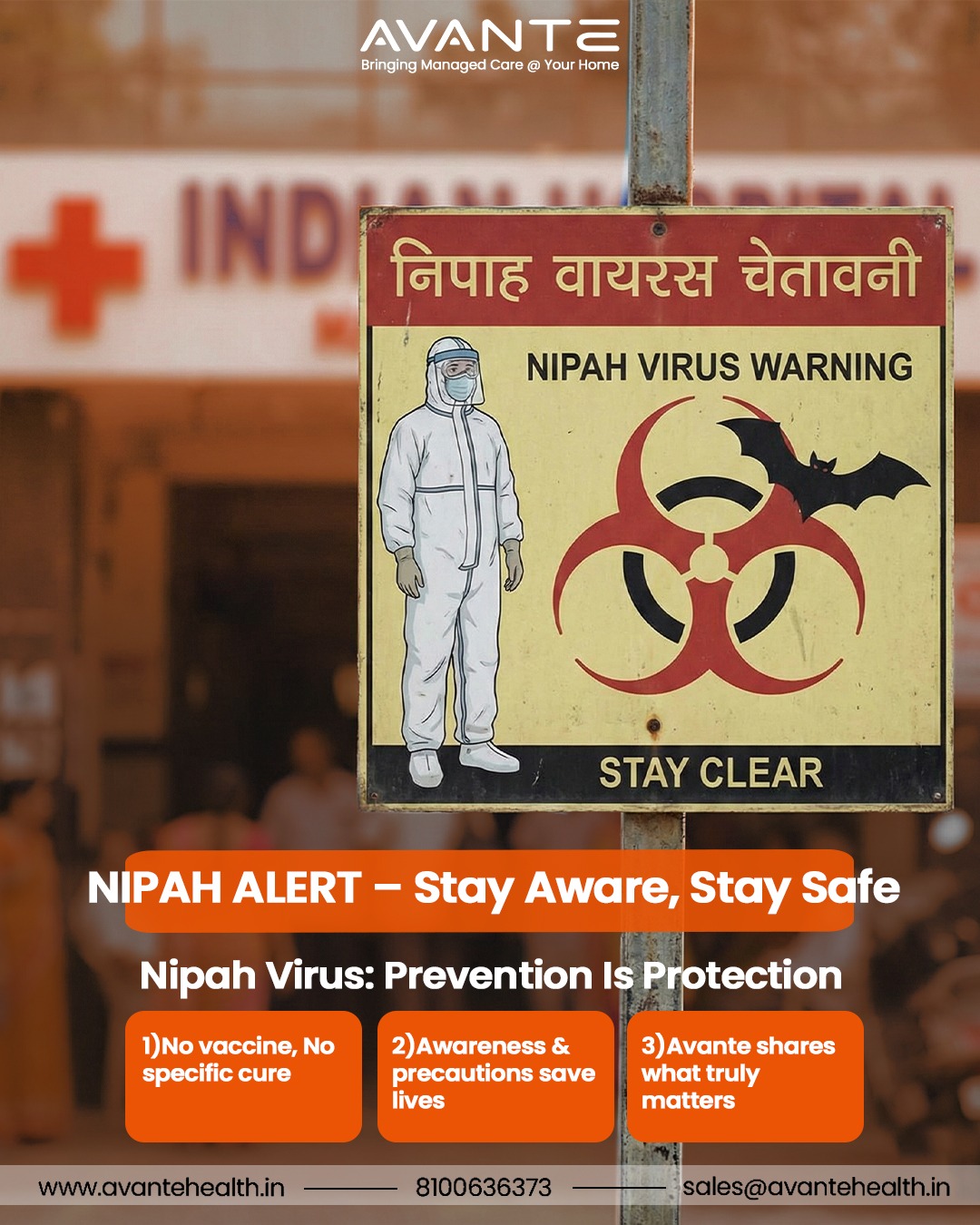
When we hear about diseases like Nipah virus in the news, it often creates fear and confusion. Medical terms sound complex and misinformation spreads quickly. This blog is written to clearly explain Nipah virus in simple language, so that children, adults and elderly people can all understand what it is, how it spreads and how to stay safe with trained home caregivers in Kolkata.
What Is Nipah Virus?
Nipah virus is a serious viral infection that can spread from animals to humans. Doctors call this a zoonotic disease. According to recent reports by Times of India, health authorities detected Nipah virus was first identified in 1999 and has caused outbreaks in parts of India, Bangladesh, Malaysia, and Singapore.
The virus can cause mild illness in some people, but in others it can lead to severe breathing problems and brain infection (encephalitis). Because of this, health authorities take Nipah virus very seriously.
How Dangerous Is the Nipah Virus?
As stated by the World Health Organisation (WHO), Nipah virus outbreaks have shown a high fatality rate. The death rate has ranged between 40% and 75% in reported outbreaks. This does not mean everyone who gets infected will die, but it does mean the illness can be very severe. Early medical care can improve outcomes.
If symptoms become severe, families often need professional patient care services at home, especially for elderly or critical patients who cannot travel easily.
Why Is Nipah Virus Relevant for West Bengal?
West Bengal has experienced Nipah virus outbreaks in the past, including in 2001 and 2007. Recently, a small number of cases were detected again in North 24 Parganas, which led to health alerts, testing, and monitoring by authorities.
The good news is that early detection and quick action by health departments help prevent large outbreaks. Still, awareness among the public is very important.
Where Does Nipah Virus Come From?
The natural carriers of Nipah virus are fruit bats, also known as flying foxes. These bats usually do not get sick, but they can carry the virus and spread it to humans.
People can get infected in three main ways:
From Animals to Humans:
- Eating fruits that have been bitten or contaminated by bats
- Drinking raw date palm sap (khejur rosh) that bats may have touched at night
From Infected Animals
In earlier outbreaks, pigs acted as a bridge between bats and humans
From Human to Human
Close contact with an infected person’s saliva, respiratory droplets, or other body fluids, especially while caring for them
Nipah virus does not spread through air over long distances like common flu. Close contact is usually required. People can get infected by eating fruits contaminated by bats, drinking raw date palm sap (khejur rosh), or through close contact with an infected person’s body fluids.
Symptoms of Nipah Virus
Early Symptoms (Often Look Like Common Illness)
- Fever
- Headache
- Body or muscle pain
- Vomiting
- Sore throat
- Weakness or fatigue
Serious Symptoms (Medical Emergency)
- Difficulty breathing
- Confusion or unusual behavior
- Extreme drowsiness
- Seizures
- Loss of consciousness (coma)
Treatment and Prevention
There is no approved vaccine or specific treatment yet. Care is supportive. Prevention includes avoiding raw date palm sap, eating clean fruits, practicing good hygiene, and seeking medical care early.
How Can People in West Bengal Reduce Their Risk?
Prevention is the most important protection.
Food Safety
- Avoid raw date palm sap (khejur rosh)
- Do not eat fruits that are fallen, bitten, or damaged
- Wash fruits thoroughly and peel them before eating
Hygiene
- Wash hands regularly with soap and water
- Cover mouth and nose while coughing or sneezing
Caregiving Safety
- If someone has fever with breathing trouble or confusion, seek medical help immediately.
- Caregivers should avoid direct contact with body fluids and follow medical advice.
Why Awareness Matters
Diseases like Nipah virus remind us that prevention, hygiene, and early medical support are critical. With the right information, panic can be avoided and safety can be improved.
At Avante, we believe informed families make better health decisions especially when caring for loved ones at home.
Key Takeaways
- Nipah virus spreads from bats to humans
- Raw date palm sap is a known risk
- Symptoms can become severe
- No vaccine yet, prevention is key
- Awareness saves lives
For regular health awareness updates and verified information, follow Avante on Instagram and Facebook.