Recovering from surgery, managing a stroke, or living with constant knee or back pain becomes far harder when getting to a clinic is itself a struggle. That’s exactly why physiotherapy at home in Kolkata has moved from a niche convenience to a mainstream healthcare choice for thousands of families across the city. India’s home healthcare sector, valued at roughly USD 16.3 billion in 2025, is projected to grow at nearly 16% a year through 2034, driven largely by an ageing population and rising demand for rehabilitation delivered outside hospital walls (IMARC Group). If mobility issues, post-operative pain, or a loved one’s care needs have you searching for a practical alternative to repeated clinic visits, this guide walks you through what home physiotherapy actually involves, who it helps most, and how to choose the right provider in Kolkata.
What Is Physiotherapy at Home in Kolkata?
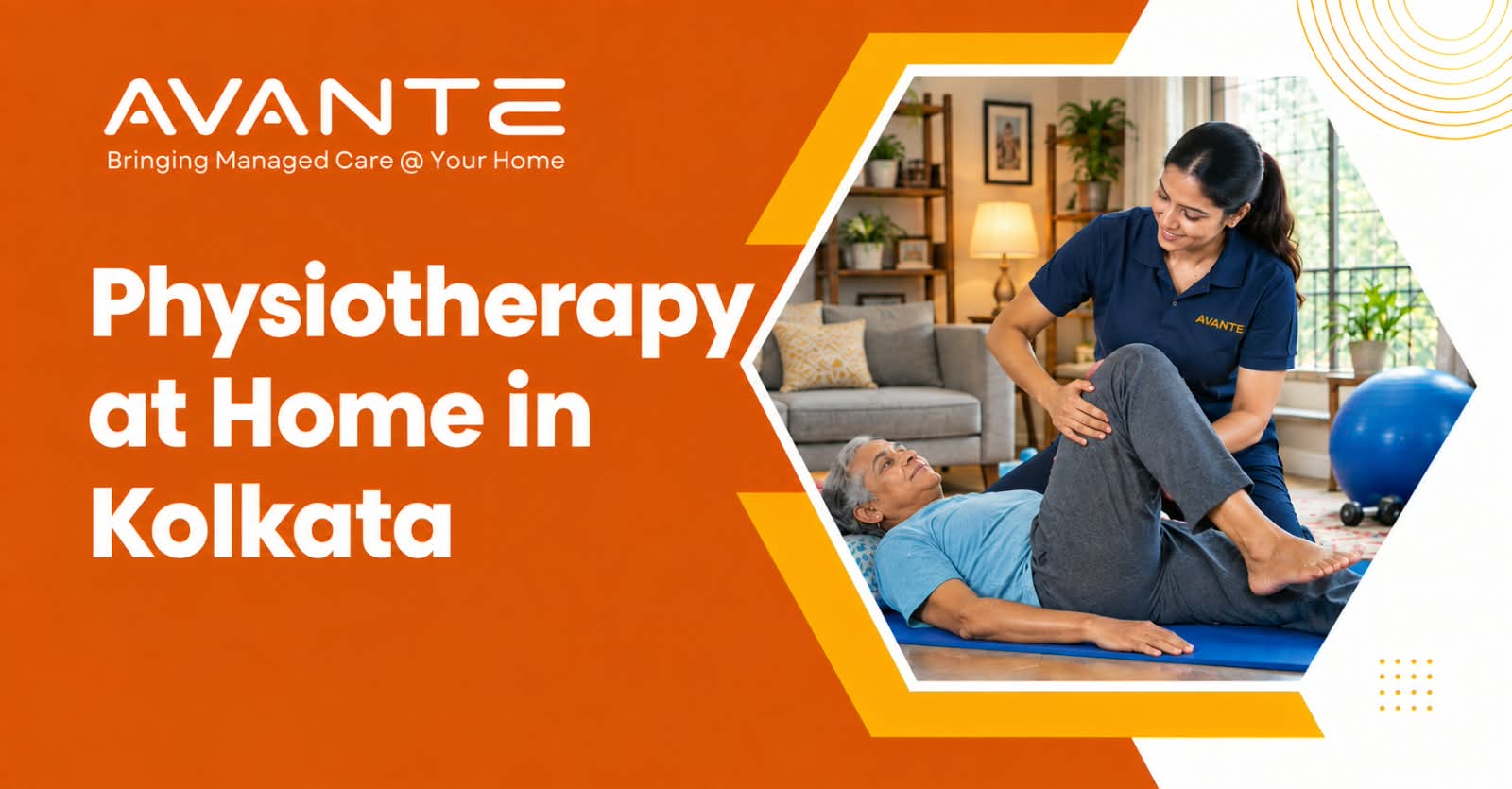
Physiotherapy at home in Kolkata is a rehabilitation service where a licensed physiotherapist visits a patient’s residence to assess, treat, and guide recovery through targeted exercises, manual therapy, and mobility training. It follows the same clinical protocols used in hospitals and clinics, adapted to a home setting, and is commonly used for post-surgical recovery, stroke rehabilitation, chronic pain management, and elderly care.
Unlike a one-off house call, structured home physiotherapy typically involves an initial assessment, a customized treatment plan, and scheduled follow-up sessions. Physiotherapists practicing in India are expected to hold qualifications recognized by the Rehabilitation Council of India (RCI), which regulates and maintains a central register of rehabilitation professionals, including physiotherapists, across the country. Checking a provider’s registration status is one of the simplest ways to confirm you’re dealing with a qualified professional rather than an untrained caregiver offering ‘massage’ services under a different name.
Who Actually Needs Home-Based Physiotherapy?
Home physiotherapy isn’t only for the elderly, though ageing is a major driver of demand. India’s elderly population made up 12.9% of the total population as per NFHS-6 (2026) data, and is projected to nearly double from 100 million in 2011 to 230 million by 2036 –meaning almost one in seven Indians will be aged 60 or above (Press Information Bureau, Government of India). That single demographic shift explains much of the rising demand for care that doesn’t require leaving the house.
In practice, home physiotherapy in Kolkata typically serves:
- Post-surgical patients recovering from joint replacement, spine surgery, or fracture fixation who need supervised movement without hospital readmission risk.
- Stroke survivors, for whom early and consistent rehabilitation strongly influences long-term functional recovery. Population-based studies estimate stroke incidence in India between 105 and 152 cases per 100,000 people annually (Indian Journal of Medical Research), and India has a documented shortage of dedicated rehabilitation infrastructure –roughly 1,000 physiatrists and about 150 designated rehabilitation facilities nationwide, concentrated mostly in metro tertiary centers (WHO STARS review, Springer). Home-based therapy helps bridge this access gap for patients who can’t easily reach a specialized center repeatedly.
- Bedridden or mobility-impaired patients, including those with severe arthritis, neurological conditions, or advanced age-related frailty.
- People with chronic knee or back pain who need ongoing, structured exercise therapy rather than sporadic clinic visits.
- Busy professionals managing musculoskeletal pain from long desk hours, who find scheduling clinic appointments difficult.
- Families caring for dependents, who benefit from a therapist training them in safe transfer techniques, positioning, and home exercises between sessions.
Knee Pain Physiotherapy at Home in Kolkata: What It Involves
Treatment for knee problems typically combines pain-relief techniques, targeted strengthening exercises, and gait or balance training. Knee pain physiotherapy at home in Kolkata can be tailored to the underlying cause, including osteoarthritis, post-surgical recovery, or ligament injury. Sessions are adjusted as mobility improves, with the therapist tracking range of motion and functional milestones over time.
Knee osteoarthritis is far more common in India than many people assume. A nationwide community-based study estimated overall knee osteoarthritis prevalence at 28.7%, with women affected more often than men and risk rising with age, obesity, and sedentary occupations (PubMed, Epidemiology of Knee Osteoarthritis in India). Given how physically demanding daily life can be in a dense city like Kolkata –stairs, uneven pavements, and limited elevator access in older buildings –knee pain that goes untreated tends to restrict independence quickly.
A typical home programme may include:
- Gentle range-of-motion exercises to reduce stiffness
- Quadriceps and hip-strengthening routines to offload pressure on the joint
- Manual therapy for swelling and localized pain
- Balance and gait retraining to prevent falls
- Guided walking-aid use where required, especially post-surgery
Back Pain Physiotherapy at Home in Kolkata: Common Causes and Care
Back pain can result from poor posture, prolonged sitting, disc degeneration, or recovery after spinal surgery. Back pain physiotherapy at home in Kolkata uses a combination of manual therapy, core-strengthening exercises, and posture correction, with treatment adapted to the patient’s condition and delivered in their own environment.
Low back pain prevalence has been rising in Indian clinical settings. A recent retrospective analysis found prevalence climbing to 22.63% in 2023, with women disproportionately affected and obesity identified as a significant contributing factor (NCBI, Evaluation of Prevalence, Trends, and Correlates of Low Back Pain in India). For office-going professionals in Kolkata spending long hours at a desk, or for elderly patients with degenerative spine changes, this trend tracks closely with what home physiotherapists report seeing in daily practice.
Home-based back pain care generally focuses on:
- Correcting movement patterns that aggravate the spine
- Core and postural muscle strengthening
- Pain-relief modalities suited to home settings, such as therapeutic exercise and manual techniques
- Ergonomic guidance for work-from-home or desk-based routines
- Gradual return-to-activity planning after acute flare-ups or surgery
Advanced Physiotherapy Modalities We Use at Home
Physiotherapy is not limited to one technique. Effective rehabilitation often combines therapeutic exercises, hands-on treatment, movement retraining, and selected physical modalities according to the patient’s condition.
Our physiotherapists choose techniques based on the assessment, treatment objective, tolerance, and stage of recovery rather than applying every modality to every patient.
| Modality | What It Involves |
| Mobility Exercises | Guided movement drills that build flexibility, joint range, and everyday functional control. |
| Ultrasound Therapy (UST) | A therapeutic modality occasionally used for select soft-tissue conditions as part of a treatment plan. |
| TENS (Transcutaneous Electrical Nerve Stimulation) | Electrical nerve stimulation sometimes used to help manage certain pain types within a broader programme. |
| IFT (Interferential Therapy) | An electrotherapy option considered for pain relief and select musculoskeletal conditions. |
| EMS (Electrical Muscle Stimulation) | May support muscle activation in suitable patients when paired with active rehabilitation. |
| Russian Current | An electrical stimulation technique sometimes applied for targeted strengthening and muscle re-education. |
| IASTM (Instrument-Assisted Soft Tissue Mobilization) | Performed by trained professionals to address specific soft-tissue restrictions and improve tissue mobility. |
| Myofascial Release | A hands-on technique aimed at easing soft-tissue tightness for more comfortable movement. |
| Meridian Pen | An adjunctive technique that may be used for select pain and muscle-tension concerns where appropriate. |
| Cryotherapy | Cold therapy that can help manage pain and swelling in suitable acute or post-exercise situations. |
| Red Light Therapy | An adjunctive modality considered for select rehabilitation goals, depending on the patient’s condition. |
| Shockwave Therapy | A specialised modality that may be considered for certain persistent musculoskeletal or soft-tissue issues after assessment. |
| Cupping Therapy | An adjunctive technique sometimes used for select cases of muscle tightness and soft-tissue discomfort. |
| Hijama | Offered where requested and clinically appropriate, as a complement to, not a replacement for, evidence-based rehabilitation. |
| Dry Needling | Used by appropriately trained professionals for select myofascial pain and trigger-point conditions. |
| Kinesiology Taping | Can provide temporary support or sensory feedback during movement and rehabilitation. |
| Soft Tissue Mobilization | Hands-on treatment addressing muscle and soft-tissue stiffness to support comfortable movement. |
| Deep Tissue Massage | May help manage select muscle tension and stiffness when appropriate for the patient’s condition. |
| Cervical & Lumbar Traction | May be considered for select neck or lower-back conditions following professional assessment. |
| Combination Therapy | Blends different modalities with therapeutic exercise and manual techniques when clinically appropriate. |
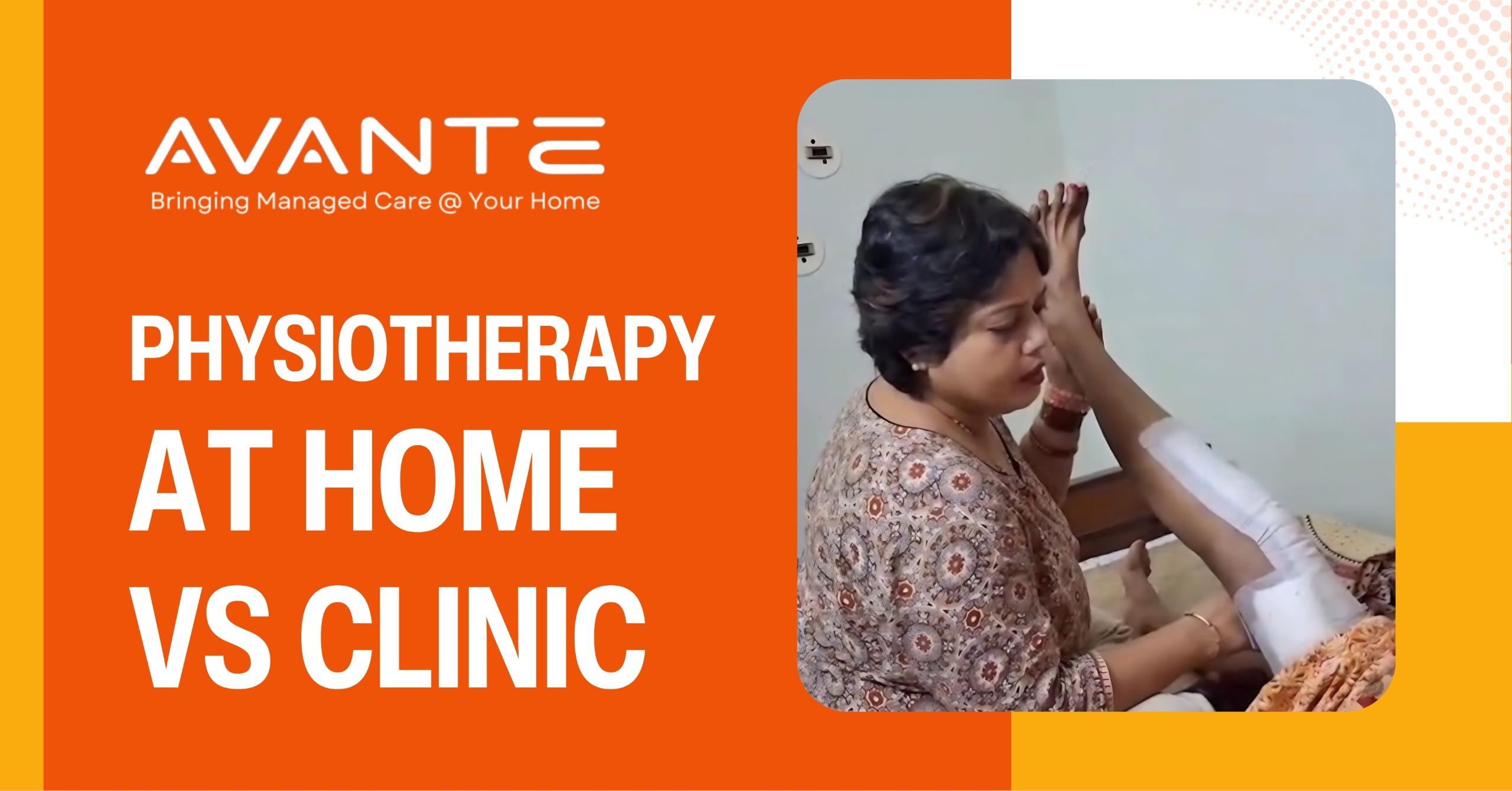
Home Physiotherapy vs. Clinic Visits: Which Is Right for You?
Choosing between home-based and clinic-based physiotherapy depends on mobility, condition severity, and daily routine. Here’s how they typically compare:
- Accessibility: Home physiotherapy removes travel entirely, which matters most for bedridden, post-surgical, or elderly patients. Clinic visits work better for patients who are mobile and want access to specialized equipment.
- Consistency: Sessions at home are easier to schedule consistently around a patient’s routine, which matters because rehabilitation outcomes depend heavily on regular, repeated sessions rather than occasional visits.
- Environment-specific training: A home visit lets the therapist assess real obstacles –stairs, bathroom layout, bed height –and train the patient to navigate them safely, something a clinic setting can’t replicate.
- Equipment access: Clinics generally offer more advanced equipment (traction units, specialized machines) that home setups can’t match, which matters more for certain sports injuries or complex musculoskeletal cases.
- Cost structure: Home visits often carry a premium per session compared to clinic OPD rates, reflecting travel time and one-on-one attention, though they can reduce indirect costs like caregiver transport and lost workdays.
- Family involvement: Home sessions naturally involve family caregivers in learning safe assistance techniques, which is especially valuable for stroke or dementia-related mobility care.
Neither option is universally better. Patients recovering from major surgery, elderly individuals with fall risk, or stroke survivors in the early recovery phase usually benefit more from home care initially, transitioning to clinic-based sessions as independence improves.
How Medical Attendant Support Can Complement Home Physiotherapy
Physiotherapy sessions are usually only a part of a patient’s daily routine. Some patients may still need help getting out of bed, walking, using the bathroom, changing positions, or managing other everyday tasks between sessions. A Medical Attendant at Home in Kolkata can provide this day-to-day assistance when family members cannot be available all the time.
This approach can be helpful for elderly, bedridden, post-surgery, or physically challenged individuals. While the physiotherapist concentrates on aspects of rehabilitation such as exercise, muscle strength, balance, and movement, the attendant can assist with various daily activities. As part of its home care services in Kolkata, Avante Health can arrange medical attendant support for patients who need assistance between physiotherapy sessions.
As far as the family is concerned, it becomes easier for them to maintain the rhythm of the schedule of the patient without having to do everything by themselves. It allows the patient to have someone close by who helps them with everyday chores even as they pursue their physiotherapy goals.
How to Choose a Reliable Home Physiotherapy Service in Kolkata
Before booking a home physiotherapy service, verify the following:
- Registration and qualifications –Confirm the physiotherapist holds a recognized degree (BPT/MPT) and is registered with the Rehabilitation Council of India or the relevant state physiotherapy council.
- Condition-specific experience –Ask whether the therapist has handled cases similar to yours, whether that’s post-knee-replacement care, stroke rehabilitation, or chronic back pain.
- Assessment process –A credible provider conducts a proper initial assessment before starting treatment, rather than jumping straight into generic exercises.
- Transparent pricing –Session costs, package structures, and any additional charges (equipment, travel) should be clear upfront.
- Communication with family –Especially for elderly or bedridden patients, the therapist should update family members on progress and train them in safe home-care practices.
- Emergency protocol –Ask what happens if the patient’s condition changes suddenly during a session, and whether the provider coordinates with the treating doctor when needed.
Common mistakes to avoid: hiring based on price alone without checking qualifications, skipping the initial assessment, and assuming a general caregiver can substitute for a licensed physiotherapist when clinical rehabilitation is genuinely required.
What Happens During a Home Physiotherapy Session?
- Initial assessment –The therapist reviews medical history, current mobility, pain levels, and any surgical or imaging reports.
- Goal setting –Short-term and long-term recovery goals are discussed with the patient and family.
- Treatment plan design –A structured plan is created, covering frequency, exercise progression, and expected milestones.
- Guided therapy session –Exercises, manual therapy, or mobility training are carried out under direct supervision.
- Home exercise guidance –Patients and caregivers are taught exercises to continue safely between visits.
- Progress review –Sessions are periodically reassessed and the plan adjusted based on improvement.
Final Thoughts
Choosing physiotherapy at home in Kolkata comes down to matching the right kind of care to your specific situation –whether that’s post-surgical recovery, stroke rehabilitation, or persistent knee pain physiotherapy at home in Kolkata and back pain physiotherapy at home in Kolkata needs that clinic visits have made difficult to manage consistently. The evidence is clear that early, regular rehabilitation improves outcomes, and home-based care removes the biggest barrier to consistency: travel. Before starting, verify the therapist’s qualifications, ask about experience with your specific condition, and confirm a clear treatment plan from the first session. For patients who need additional assistance beyond physiotherapy, home care services in Kolkata can also provide support with daily activities and ongoing care at home. Taking that first step toward a proper assessment is often what separates slow, frustrating recovery from steady, measurable progress.
Frequently Asked Questions
1. Is physiotherapy at home in Kolkata as effective as clinic-based treatment?
For most conditions –including post-surgical recovery, stroke rehabilitation, and chronic pain management –home physiotherapy can be just as effective, provided the therapist is qualified and sessions are consistent. Complex cases needing specialized equipment may still require occasional clinic visits.
2. How much does home physiotherapy typically cost in Kolkata?
Costs vary by condition, session duration, and provider experience. It’s best to ask providers directly for a per-session or package rate, and to confirm what’s included, such as assessment, equipment, and follow-up consultations.
3. Is home physiotherapy suitable for elderly, bedridden patients?
Yes. Home-based care is often the preferred option for bedridden or severely mobility-impaired elderly patients, since it avoids the risks and difficulty of transporting them to a clinic while still delivering supervised, goal-oriented rehabilitation.
4. What should I look for before hiring a home physiotherapist?
Check registration with the Rehabilitation Council of India, relevant clinical experience, a proper initial assessment process, transparent pricing, and clear communication with family caregivers.
5. Can knee pain or back pain be fully resolved through home physiotherapy?
Outcomes depend on the underlying cause and severity. Many patients see significant pain reduction and functional improvement through consistent, well-designed home programmes, though structural issues like advanced osteoarthritis may need combined medical and physiotherapy management.