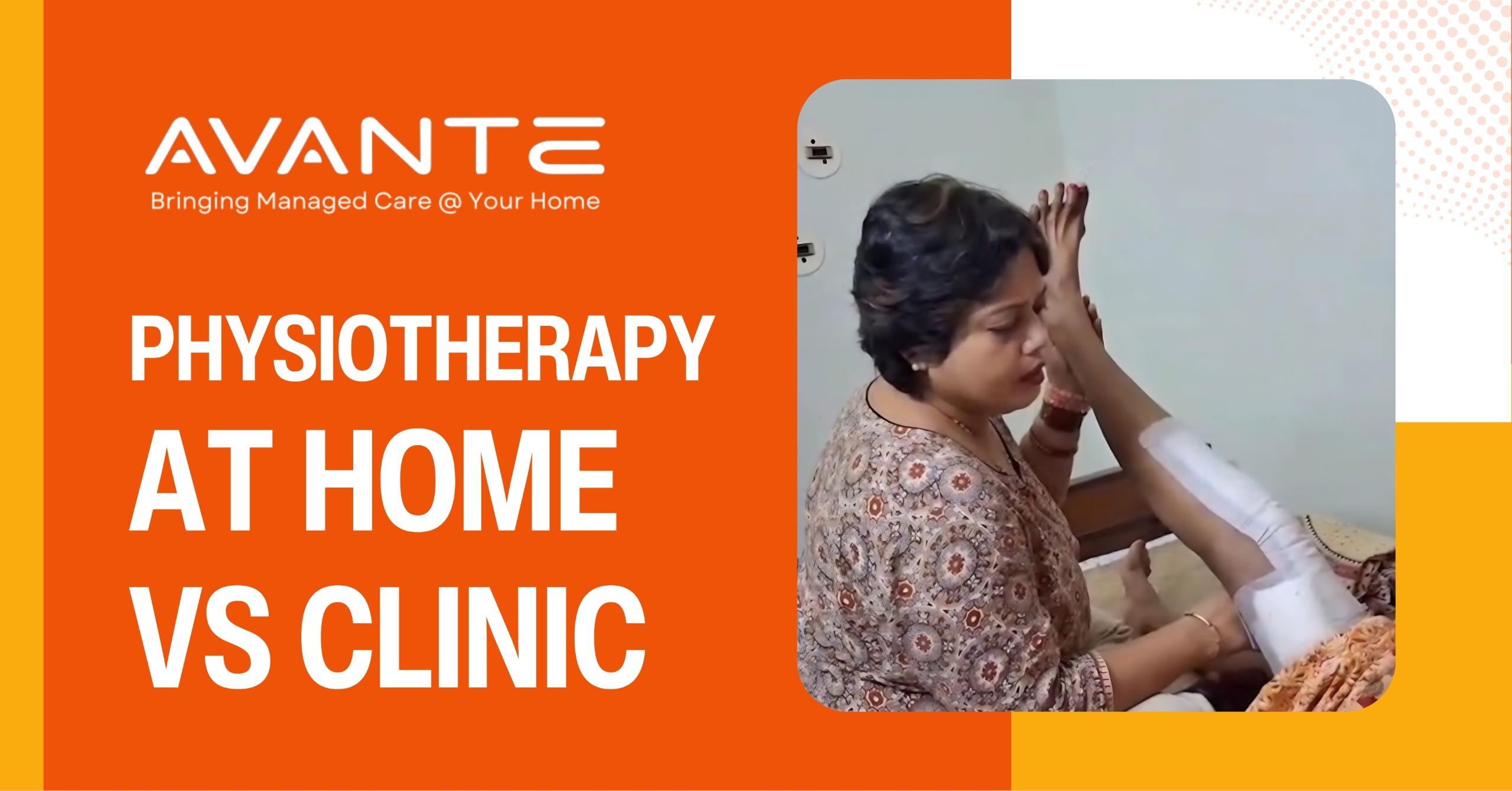
Recovering from surgery, managing joint pain or helping an elderly family member regain mobility can be challenging, especially when regular physiotherapy sessions are necessary. But should recovery happen at home or in a clinic? The answer depends on the patient’s medical condition, mobility, treatment requirements and personal comfort. For families seeking a Physiotherapy at Home Service in Kolkata, understanding these differences can help them make a more informed decision.
Both home-based and clinic-based physiotherapy can support rehabilitation when delivered by a qualified physiotherapist. Home sessions offer convenience, personalised attention and the opportunity to practise everyday movements in a familiar environment. Clinics, on the other hand, may provide specialised equipment, rehabilitation facilities and access to a wider clinical team.
The need for rehabilitation is substantial. According to the World Health Organization (WHO), approximately 2.4 billion people worldwide live with health conditions that may benefit from rehabilitation. This highlights the importance of accessible, appropriate and consistent rehabilitation services.
In this guide, we compare physiotherapy at home and in a clinic, examine the benefits of each approach, explain which patients may benefit most and explore how professional home healthcare can support recovery in Kolkata.
What Is Physiotherapy at Home?
Physiotherapy at home is a rehabilitation service in which a qualified physiotherapist visits the patient’s residence to assess movement difficulties and provide an appropriate treatment plan.
Instead of travelling to a hospital or rehabilitation centre, patients receive supervised exercises and therapeutic interventions in their own homes.
A home physiotherapy session may include:
- Mobility and flexibility exercises: To improve joint movement and reduce stiffness.
- Strengthening exercises: To rebuild muscle strength following surgery, injury or prolonged inactivity.
- Balance and coordination training: To support safer walking and reduce the risk of falls.
- Gait training: To help patients practise standing, walking and using mobility aids.
- Post-operative rehabilitation: To support recovery after procedures such as knee or hip replacement, according to the surgeon’s instructions.
- Patient and caregiver education: To teach safe movement techniques, exercise routines and appropriate precautions.
With Avante Health’s home physiotherapy services, patients can receive individual attention in a familiar environment. The physiotherapist can also assess practical challenges, such as getting out of bed, walking to the bathroom or climbing household steps, and incorporate relevant activities into the rehabilitation plan.
For patients who struggle with regular travel, a structured Physiotherapy at Home Service in Kolkata can make attending scheduled sessions more manageable.
What Is Clinic-Based Physiotherapy?
Clinic-based physiotherapy involves visiting a physiotherapy clinic, hospital or rehabilitation centre for assessment and treatment.
Depending on the facility and the patient’s requirements, treatment may involve exercise equipment, resistance machines, stationary cycles, parallel bars, balance-training tools and other rehabilitation resources.
A clinic may be particularly suitable when patients need equipment-intensive rehabilitation, close supervision in a dedicated treatment environment or access to multiple healthcare professionals.
Common clinic-based treatments include:
- Supervised strengthening and flexibility exercises.
- Balance, coordination and walking rehabilitation.
- Exercise-based treatment for musculoskeletal conditions.
- Selected electrotherapy modalities when clinically indicated.
- Rehabilitation using specialised equipment.
- Functional assessments and progress monitoring.
However, travelling to a clinic can be tiring for people experiencing severe pain, restricted mobility or post-operative weakness. Transport arrangements, waiting times and the need for a family member to accompany the patient may also make frequent appointments difficult.
The most suitable setting depends on which treatment resources the patient needs and whether the benefits of clinic-based facilities outweigh the practical challenges of travelling.
Physiotherapy at Home vs Clinic: Key Differences
The following table compares the two options across important aspects of recovery.
| Comparison factor | Physiotherapy at home | Clinic-based physiotherapy |
|---|---|---|
| Convenience | Treatment takes place at home | Requires travel to the facility |
| Personal attention | Usually one-to-one during the session | Depends on the clinic’s appointment model |
| Equipment | Portable equipment and household resources, as appropriate | May offer specialised rehabilitation equipment |
| Environment | Familiar surroundings and everyday household tasks | Dedicated treatment and rehabilitation space |
| Elderly patients | Can reduce the burden of travelling | May require transport and caregiver assistance |
| Post-operative recovery | Useful when travel is difficult and home treatment is appropriate | Useful when specialised facilities or close clinical supervision are needed |
| Family participation | Caregivers can often learn safe support techniques | Family participation depends on clinic arrangements |
| Scheduling | May offer flexible appointment arrangements | Depends on clinic hours and availability |
| Functional training | Can focus on bed transfers, bathroom access and household mobility | Can focus on structured rehabilitation exercises and equipment |
| Best suited for | Patients who benefit from home-based assessment and treatment | Patients who require resources or supervision available at a clinic |
Important: Neither option is automatically superior. A physiotherapist should assess the patient’s condition, safety requirements and recovery goals before recommending a treatment setting.
Why Is Physiotherapy at Home Becoming an Important Option in Kolkata?
Kolkata’s traffic, travel distances and busy daily routines can make repeated healthcare visits difficult for some families. These challenges are particularly relevant when a patient has undergone surgery, experiences chronic pain or needs assistance with basic movement.
Home-based physiotherapy offers a practical alternative for eligible patients by bringing rehabilitation closer to their everyday lives.
1. Easier access for patients with limited mobility
Patients recovering from a fracture, joint replacement or neurological condition may find getting into a vehicle and travelling to a clinic physically demanding.
Receiving treatment at home can reduce these logistical challenges and allow patients to focus their energy on rehabilitation.
2. Rehabilitation in a familiar environment
A patient’s home offers opportunities to practise movements that matter in daily life, including:
- Moving safely from a bed to a chair.
- Standing up from a familiar seat.
- Walking through corridors.
- Using a walking frame around household furniture.
- Navigating steps, where medically appropriate.
These activities help connect physiotherapy exercises with the patient’s actual functional goals.
3. Greater opportunities for caregiver involvement
Family members can learn how to support prescribed exercises, assist with safe transfers and recognise when a patient needs additional help.
The physiotherapist can also identify unsafe movement habits or household obstacles that may interfere with recovery.
4. Better opportunities for routine and consistency
Regular participation is important in many rehabilitation programmes. Home appointments may make it easier for patients to follow their prescribed schedule, particularly when travelling would otherwise cause missed sessions.
However, consistency also depends on motivation, the quality of treatment, clinical supervision and the patient’s overall health.
5. Convenient access to coordinated home healthcare
Some patients require more than physiotherapy alone. They may need help with bathing, dressing, mobility, medication routines or nursing-related care.
A comprehensive Home care service in Kolkata can help families coordinate appropriate support around the patient’s rehabilitation plan.
Benefits of Physiotherapy at Home
Home physiotherapy can offer several advantages when it matches the patient’s medical needs.
1. Individualised treatment plans
A physiotherapist can tailor exercises according to the patient’s strength, balance, pain levels, mobility and recovery progress.
For example, a patient recovering from knee surgery may initially need help with safe transfers and prescribed knee movements before progressing to standing and walking exercises.
Treatment should be adjusted according to clinical findings rather than following the same routine for every patient.
2. Reduced travel-related discomfort
Avoiding frequent journeys can be beneficial for patients who experience fatigue, pain or difficulty getting in and out of vehicles.
It can also reduce the practical burden on family members who otherwise need to arrange transport and accompany the patient.
3. Training based on everyday activities
Home-based rehabilitation allows the physiotherapist to observe how the patient moves within the actual living environment.
This may help identify challenges such as slippery floors, inadequate lighting, narrow passages or difficult bathroom access.
The therapist can recommend appropriate safety adjustments and practise relevant movements within the limits of the treatment plan.
4. Support for family caregivers
Caregivers can learn appropriate assistance techniques and understand which movements the patient should perform independently.
This is particularly valuable for families caring for elderly people or individuals with temporary mobility restrictions.
Caregivers should not attempt lifting or transferring techniques that they have not been trained to perform safely.
5. Greater comfort and privacy
Some patients feel more comfortable exercising in familiar surroundings. Reduced anxiety and a convenient appointment arrangement may help them participate more confidently in their rehabilitation programme.
Nevertheless, a comfortable environment does not replace professional assessment, appropriate equipment or clinical supervision.
Benefits of Clinic-Based Physiotherapy
Clinic-based treatment remains an important option for patients whose rehabilitation requires resources that may not be available at home.
1. Access to specialised equipment
Depending on the facility, patients may use parallel bars, resistance machines, stationary cycles, balance equipment or other rehabilitation tools.
These resources can be helpful when exercises need to be performed with specific equipment or when the therapist needs a controlled setting.
2. A dedicated rehabilitation environment
Clinics provide space for structured movement exercises, supervised walking practice and progressive strengthening activities.
This may be particularly useful when the patient’s home has limited space or environmental obstacles that prevent safe exercise.
3. Access to multidisciplinary care
Hospital-based rehabilitation services may offer access to doctors, occupational therapists and other healthcare professionals when required.
This can be important for patients with complex medical conditions or rehabilitation needs that extend beyond physiotherapy.
4. More options for specialised supervision
Certain patients need close observation during challenging exercises or access to specific clinical facilities. A clinic or hospital may be better equipped to meet these needs.
For patients with significant medical instability, a routine home physiotherapy appointment may not be sufficient. Their treating doctor should determine the appropriate level of care.
Which Type of Physiotherapy Is Better for Different Patients?
The best setting varies according to the condition, stage of recovery and clinical assessment.
| Patient category | Potentially suitable option | Why it may help |
|---|---|---|
| Post-operative patients | Home or clinic, depending on recovery stage | Home sessions reduce travel demands; clinics may provide specialised rehabilitation resources |
| Elderly patients with mobility difficulties | Home, when clinically appropriate | Reduces travel-related fatigue and supports daily functional training |
| Patients with knee osteoarthritis | Either setting | Tailored strengthening, movement and regular exercise are important |
| Stroke survivors | Home, clinic or a combination | The choice depends on neurological impairment, safety and rehabilitation intensity |
| Patients with chronic back pain | Either setting | Treatment can combine education, exercise and gradual activity progression |
| Patients needing specialised equipment | Usually a suitably equipped clinic or rehabilitation centre | Some exercises and facilities cannot be replicated at home |
| Patients with significant medical instability | Medical assessment and an appropriate supervised setting | Immediate clinical support may be necessary |
1. Post-surgery patients
After procedures such as knee replacement, hip replacement or fracture fixation, rehabilitation may help restore movement, strength and independence.
Home physiotherapy can be helpful when the patient is medically stable, travel is difficult and the prescribed exercises can be performed safely at home.
The physiotherapist should follow the surgeon’s instructions regarding weight-bearing restrictions, wound precautions, movement limitations and exercise progression.
2. Elderly patients
Older adults may experience reduced strength, balance difficulties, joint stiffness or fear of falling.
Home-based treatment can focus on practical goals such as standing from a chair, walking safely indoors and maintaining independence with everyday activities.
When additional assistance is required, 24 hour nursing care at home in Kolkata may complement the rehabilitation plan by supporting eligible patients with ongoing nursing needs and day-to-day care.
Nursing care and physiotherapy serve different purposes. They should be coordinated according to the patient’s assessed requirements.
3. Patients with arthritis and chronic pain
For people with knee osteoarthritis or other chronic musculoskeletal conditions, a structured exercise programme can help improve physical function and manage symptoms.
The UK’s National Institute for Health and Care Excellence (NICE) recommends tailored therapeutic exercise for people with osteoarthritis and advises that consistent long-term participation can improve pain, function and quality of life.
Patients can perform appropriate exercises at home or in a clinic. The important factors are correct technique, suitable progression and adherence to the treatment plan.
4. Stroke survivors
Stroke rehabilitation may involve exercises for balance, coordination, walking, muscle control and daily activities.
Home treatment can help patients practise functional movements in their own surroundings. However, some stroke survivors need more intensive rehabilitation, specialised equipment or multidisciplinary assessment.
The treating team should determine whether home-based therapy alone is sufficient or whether clinic-based or combined rehabilitation is more appropriate.
5. Patients with complex healthcare needs
Patients who require oxygen therapy, catheter care, wound management or other medical support may need coordinated healthcare services alongside physiotherapy.
These patients should not automatically be considered suitable for routine home treatment. A clinical assessment is necessary to establish which interventions can be delivered safely and what nursing or medical supervision is required.
Also Read: Physiotherapy at Home in Kolkata: Treatment, Conditions, and Benefits
What Does the Research Say About Home Physiotherapy?
Evidence supports the importance of rehabilitation and appropriately prescribed therapeutic exercise. However, outcomes vary by condition, treatment intensity, patient characteristics and the quality of care.
Three findings are particularly relevant.
1. Rehabilitation has a substantial global role. The WHO estimates that around 2.4 billion people worldwide have conditions that could benefit from rehabilitation. The organisation identifies rehabilitation as an essential component of healthcare that can help people improve functioning and maintain independence.
2. Exercise is central to osteoarthritis management. NICE recommends individualised therapeutic exercise, including muscle strengthening and general aerobic activity, for people with osteoarthritis. It also highlights the benefits of sustained participation and notes that supervised sessions may help some patients.
3. The treatment environment should match the patient’s needs. Rehabilitation may involve exercises, education, assistive products and changes to daily activities or the surrounding environment. These interventions can be delivered in different settings, depending on clinical requirements.
The evidence does not establish that home physiotherapy is always better than clinic-based treatment. Instead, it supports selecting an appropriate programme and making rehabilitation accessible enough for patients to participate consistently.
Evidence note: Specific claims such as a 52% reduction in knee pain or a 43% improvement in physical function should only be included when the original study, patient population, treatment duration and outcome measures have been verified. These figures are not presented here as universally expected results.
How to Choose the Right Physiotherapy Service
Before selecting a home physiotherapist or clinic, consider the following points.
- Obtain a clinical assessment. Confirm the diagnosis, treatment goals, medical restrictions and appropriate rehabilitation setting with the treating healthcare professional.
- Check the physiotherapist’s qualifications. Ask about professional registration where applicable, experience with the relevant condition and familiarity with post-operative or neurological rehabilitation.
- Understand the treatment plan. The provider should explain the proposed exercises, session frequency, safety precautions and how progress will be assessed.
- Review equipment requirements. Determine whether the necessary equipment can be used safely at home or whether clinic facilities are required.
- Consider travel and caregiver availability. Think about the patient’s ability to travel, transport arrangements and the support available between sessions.
- Ask how progress will be measured. Relevant indicators may include walking ability, joint movement, balance, strength, pain levels and independence in daily activities.
- Discuss costs and scheduling. Confirm session charges, travel fees if applicable, cancellation policies and the expected frequency of appointments.
A good provider should be willing to explain the benefits and limitations of the recommended setting rather than promising a guaranteed recovery timeline.
How Avante Health Can Support Recovery at Home
Avante Health provides home healthcare support for patients and families who need care in a familiar environment.
For suitable patients, home physiotherapy can be part of a broader care plan focused on improving movement, maintaining independence and making daily activities more manageable.
Depending on individual needs and service availability, relevant support may include:
- Physiotherapy tailored to the patient’s assessment and recovery goals.
- Assistance with mobility and everyday activities.
- Nursing support for patients who require ongoing clinical care.
- Guidance for family members on safe assistance and prescribed exercises.
- Coordination of care around the patient’s existing medical recommendations.
Families looking for a Home care service in Kolkata should ensure that the selected provider offers the specific professional services the patient needs and that physiotherapy and nursing responsibilities are clearly defined.
Patients who require continuous nursing assistance may also explore Avante’s 24 hour nursing care at home in Kolkata. The appropriate level of nursing support should be determined by the patient’s condition and care requirements.
Conclusion: Which Option Is Better for Recovery?
Physiotherapy at home and clinic-based physiotherapy both have important roles in rehabilitation. Home sessions may be more practical for elderly people, post-operative patients and individuals with limited mobility, while clinics can offer specialised equipment, dedicated rehabilitation facilities and additional clinical supervision.
The best decision should be based on the patient’s diagnosis, safety, recovery goals and access to appropriate treatment—not convenience alone.
For families exploring a Physiotherapy at Home Service in Kolkata, Avante Health can be considered as part of a wider home healthcare plan when home-based treatment is clinically suitable. Combining physiotherapy with appropriate nursing or daily care support may help patients work towards greater comfort, mobility and independence.
Need help choosing the right home healthcare support? Contact Avante Health to discuss the patient’s requirements, available services and whether home-based physiotherapy may be appropriate for their recovery.
Frequently Asked Questions
1. Is physiotherapy at home as effective as clinic-based physiotherapy?
Home physiotherapy can be effective when the treatment plan is appropriate for the patient’s condition and is delivered by a qualified professional. Clinic treatment may be preferable when specialised equipment, intensive supervision or additional clinical facilities are required.
2. How many physiotherapy sessions are needed for recovery?
The number of sessions depends on the diagnosis, severity of the condition, recovery goals and response to treatment. A physiotherapist should assess progress regularly and adjust the programme when necessary.
3. Is home physiotherapy suitable after knee replacement surgery?
It can be suitable for medically stable patients when home-based exercises meet their rehabilitation needs. The treatment must follow the surgeon’s instructions and may need to transition to clinic-based rehabilitation if additional facilities or supervision are required.
4. Can elderly patients receive physiotherapy at home?
Yes. Home physiotherapy may be particularly convenient for elderly patients who have difficulty travelling. A physiotherapist should first assess mobility, balance, medical conditions and fall risk to establish a safe programme.
5. Can physiotherapy be combined with nursing care at home?
Yes. When clinically appropriate, physiotherapy can be coordinated with nursing care and assistance with daily activities. Each professional should work within their scope of practice, with responsibilities defined according to the patient’s care plan.
6. When should a patient avoid exercising and seek medical advice?
Patients should stop exercising and seek appropriate medical advice if they experience new or severe pain, sudden weakness, marked dizziness, chest pain or unusual breathlessness. Sudden one-sided weakness, facial drooping, speech difficulties or severe chest pain require emergency medical attention.