Pain may disappear, but is your body really healed?
After an injury or surgery, medication, injections, braces or medical devices may help manage the immediate problem. However, getting back to normal often requires much more, restoring movement, rebuilding muscle strength, improving balance and regaining confidence in everyday activities. Without proper rehabilitation, stiffness, weakness or restricted movement can sometimes continue even after the original pain has improved.
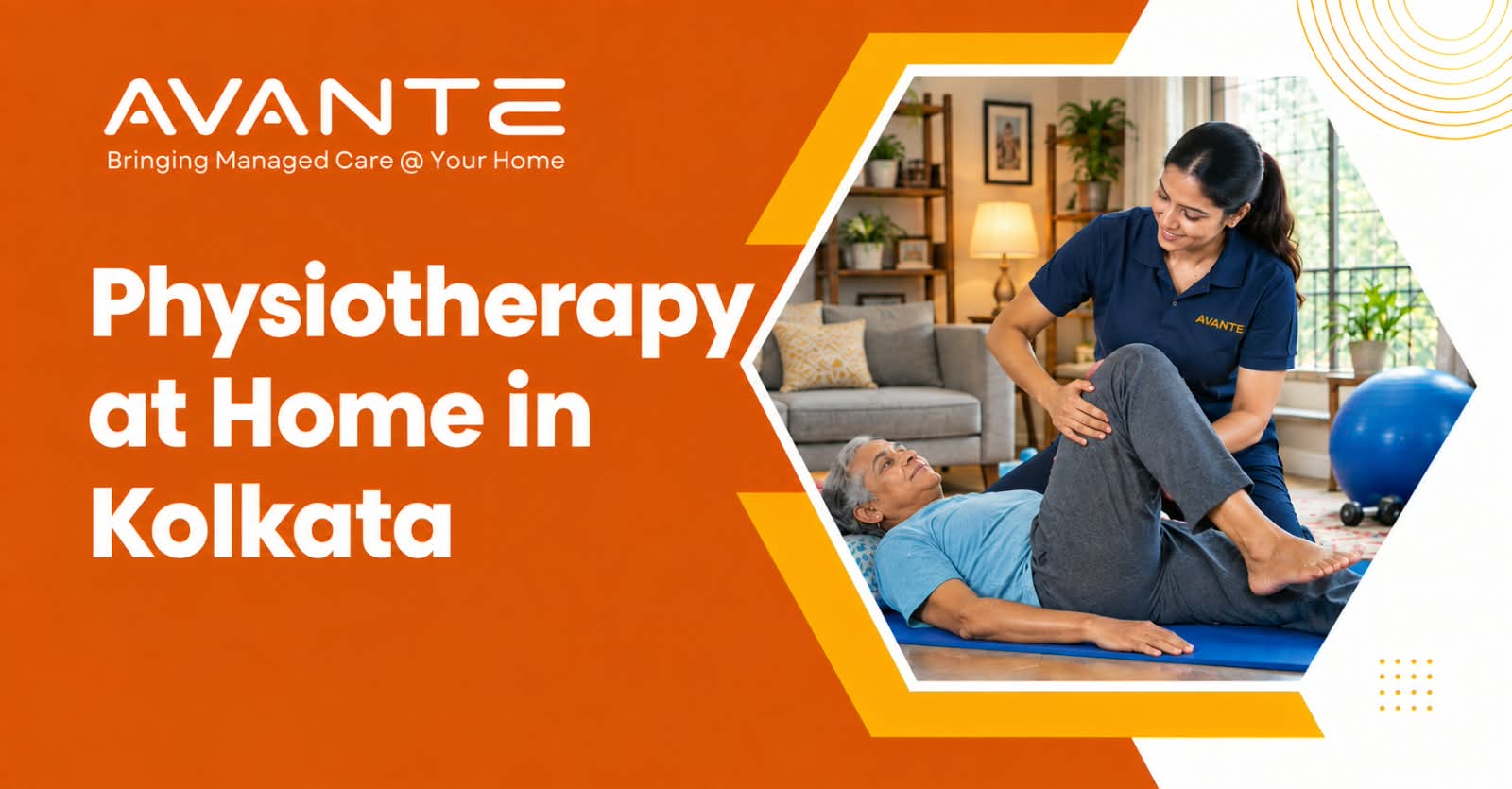
This is where physiotherapy at home service in Kolkata can become an important part of recovery. For patients who find travelling to a clinic difficult, professional physiotherapy can bring structured rehabilitation directly to their home. From post-surgical recovery and sports injuries to knee problems, back pain and age-related mobility concerns, treatment can be tailored to individual needs.
Because true recovery is not simply about feeling less pain. It is about moving better, functioning better and returning to life with confidence.
Why Physiotherapy Gets Sidelined While Surgery Gets Prioritised
Surgery feels final. A scan, an operation, a discharge summary, on paper, it looks like the problem has been solved. Physiotherapy, on the other hand, is gradual, undramatic and easy to underestimate. As a result, several misconceptions persist among patients and families alike:
• “The surgery already fixed the problem, so what’s left to treat?”
• “It’s just stretching and exercises. I can manage that myself at home.”
• “Physiotherapy is an ongoing expense with no immediate, visible result.”
Because insurance often covers implants and hospital stays more generously than rehabilitation sessions, families unconsciously treat physiotherapy as optional rather than essential. In reality, orthopaedic surgeons routinely note that a surgical outcome is only as good as the rehabilitation that follows it. Without that follow-through, even a technically flawless operation can leave a patient functionally worse off than expected.
There is also a cultural dimension to this neglect. In many Indian households, pain is treated as something to be endured quietly, and “rest” is still seen as the default cure for almost any ache. This delays physiotherapy until mobility is already compromised, at which point recovery naturally takes longer.
What the Numbers Say: The Real Burden of Mobility Disorders in India
The scale of the problem becomes clear once the data is examined. According to the World Health Organization, an estimated 1.71 billion people worldwide were living with musculoskeletal conditions as of 2022, making these conditions one of the leading contributors to disability globally.
India’s own numbers are equally striking. A community-based cross-sectional study covering five sites across the country, cited in the Ministry of Health and Family Welfare’s standard treatment guidelines, found the following:
| Condition | Reported Figure | Source |
| Knee osteoarthritis (community sample, India) | 28.7% overall prevalence | Multi-site Indian community study, referenced in Govt. of India standard treatment guidelines |
| Knee osteoarthritis among women | 31.6% | Same study |
| Low back pain (lifetime prevalence) | Ranges from 57% to 66% across studies | Peer-reviewed Indian epidemiological surveys |
| Musculoskeletal conditions (global burden) | 1.71 billion people affected (2022) | World Health Organization |
These are not niche numbers. They indicate that nearly one in three older Indians is living with a joint condition, and that more than half the population will experience meaningful back pain at some point in their lives. For a metro like Kolkata, with its large ageing population and a growing base of desk-bound professionals, this translates into millions of people who need structured, professional rehabilitation rather than a one-time fix.
The Science Behind Why Physiotherapy Works
Physiotherapy is much more than a few stretches recommended after surgery. It is based on understanding how the body heals, how muscles respond to injury, and how the brain relearns normal movement. After an injury, surgery, or prolonged pain, people often start avoiding certain movements because they hurt or feel uncomfortable. Over time, this can lead to stiffness, muscle weakness and reduced mobility even when the original injury has started to heal.
A physiotherapist helps break this cycle through manual therapy, mobility exercises and progressive strength training. These techniques can help improve joint movement, rebuild muscle strength and gradually restore confidence in everyday activities.
This is also why two people undergoing the same surgery may experience very different recoveries. The procedure is only one part of the journey. What happens during rehabilitation can play an important role in how well movement, strength and function are restored.
Who Benefits Most From At-Home Physiotherapy in Kolkata
While physiotherapy benefits almost anyone recovering from pain or injury, a few groups see particularly strong results from home-based care in a city like Kolkata:
- Elderly residents living in older, multi-storeyed homes without lifts, for whom travelling to a clinic is physically risky
- Post-operative patients recovering from knee or hip replacement, ligament repair, or spinal surgery, who need supervised early movement
- Young IT and BPO professionals with desk-related neck, shoulder, and back pain from long hours of screen time
- New mothers requiring postnatal core and pelvic-floor rehabilitation in a private, comfortable setting
- Sports and accident injury patients who need consistent, guided rehabilitation to avoid re-injury
The Cost of Skipping Physiotherapy After Surgery or Injury
When physiotherapy is skipped or discontinued too early, the consequences tend to surface later, often after the initial excitement of a successful surgery has faded:
- Joint stiffness and reduced range of motion, even after a technically successful surgery
- Muscle wasting (atrophy) around the operated joint due to prolonged inactivity
- A higher risk of re-injury, since supporting muscles were never retrained
- Chronic, lingering pain that leads to long-term dependence on painkillers
- A poor return on the money already spent on surgery, since full function is never restored
In short, surgery repairs the structure; physiotherapy restores the function. Without the second step, the first is frequently left incomplete.
Knee Pain Treatment at Home in Kolkata: Why It’s Becoming Essential
Kolkata presents a fairly unique case. Many families live in older buildings with narrow staircases and no lifts, which makes regular clinic visits genuinely difficult for someone recovering from knee surgery or arthritis. Add the city’s ageing demographic and its notoriously heavy traffic, and a knee pain treatment at home in Kolkata becomes less of a convenience and more of a practical necessity.
At-home knee rehabilitation typically focuses on:
- Gentle range-of-motion exercises to prevent stiffness in the early recovery phase
- Progressive strengthening of the quadriceps and hamstrings to support the joint
- Balance and gait training, so patients can walk confidently on uneven pavements and stairs
- Guided pain-management techniques, including icing protocols, TENS, and manual therapy where appropriate
Back Pain Physiotherapy at Home in Kolkata: Managing a Modern, Desk-Bound Lifestyle
Kolkata’s large IT and BPO workforce, concentrated in areas such as Salt Lake Sector V and New Town, along with the continuing popularity of work-from-home arrangements, has quietly fuelled a rise in postural back pain. Long hours in front of screens, unsupportive furniture, and lengthy commutes leave many young professionals with recurring stiffness long before age has anything to do with it.
Back pain physiotherapy at home in Kolkata generally combines:
- Postural correction and ergonomic guidance for home workstations
- Core and spinal-stabilisation exercises to reduce recurrence
- Manual therapy to release tightness in the lower back and hips
- Simple daily movement routines that fit around long working hours
How a Professional At-Home Physiotherapy Programme Works
Every reliable physiotherapy at home service in Kolkata tends to follow a similar structured process, rather than handing over a generic exercise sheet and walking away.
Initial Assessment and Diagnosis
A qualified physiotherapist visits the home, reviews medical history and any surgical or imaging reports, and assesses movement, strength, and pain levels before designing a plan.
Personalised Treatment Plan
Sessions are tailored to the individual’s diagnosis, age, home environment, and recovery goals, rather than following a one-size-fits-all protocol. Avante Health follows this patient-specific approach by arranging physiotherapy sessions according to the individual’s condition, recovery goals and requirements at home.
Progress Tracking and Milestones
Range of motion, strength, and pain scores are reassessed at regular intervals so the plan can be adjusted as recovery progresses, rather than staying static for months.
Family and Caregiver Involvement
Because sessions happen at home, family members are naturally involved, which tends to improve compliance between formal sessions and support a faster, safer recovery.
Physiotherapy-Led Recovery vs. a Surgery-Only Approach
| Aspect | Physiotherapy-Led Recovery | Surgery / Device-Only Approach |
| Cost | Nominal, spread across sessions | High, mostly upfront |
| Invasiveness | Non-invasive | Invasive, carries anaesthesia-related risk |
| Long-term mobility | Actively rebuilt through guided exercise | Depends largely on the body’s own healing |
| Risk of recurrence | Lower, due to functional strengthening | Comparatively higher without rehab |
| Return to independence | Generally faster and more complete | Can remain incomplete without follow-up therapy |
This is not an argument against surgery many conditions genuinely require it. It is, instead, a case for treating physiotherapy as a core part of the same treatment plan, rather than an optional afterthought that gets dropped once the pain briefly subsides.
Choosing the Right Physiotherapy at Home Service in Kolkata
Not all home care services in Kolkata offer the same standard of care. When choosing a provider for physiotherapy at home, it helps to check whether the team offers qualified professionals, personalised treatment plans and appropriate equipment for home visits.
- Physiotherapists hold a recognised BPT/MPT degree and are registered with a professional body such as the Indian Association of Physiotherapists
- Treatment plans are personalised after an in-home assessment, not copy-pasted from a generic sheet
- The team carries appropriate equipment for exercises, mobility aids, and pain-relief modalities
- Clear hygiene protocols are followed for every home visit
- Pricing and the expected number of sessions are communicated transparently upfront
Conclusion
Surgery and medical devices are often necessary but they are only one half of the recovery equation. As Indian data shows, nearly a third of the ageing population lives with knee osteoarthritis, and back pain touches the majority of adults at some point in their lives. Skipping physiotherapy after treating these conditions tends to leave recovery incomplete, no matter how successful the surgery looked on paper. For Kolkata families navigating narrow staircases, heavy traffic and busy work schedules, choosing reliable home care services in Kolkata with professional physiotherapy support can offer a practical way to continue rehabilitation at home. If mobility or persistent pain has been holding you or a loved one back, it may be worth having a qualified physiotherapist assess the situation at home, rather than waiting for the pain to become unmanageable.
Frequently Asked Questions
1. Is physiotherapy at home as effective as clinic-based physiotherapy?
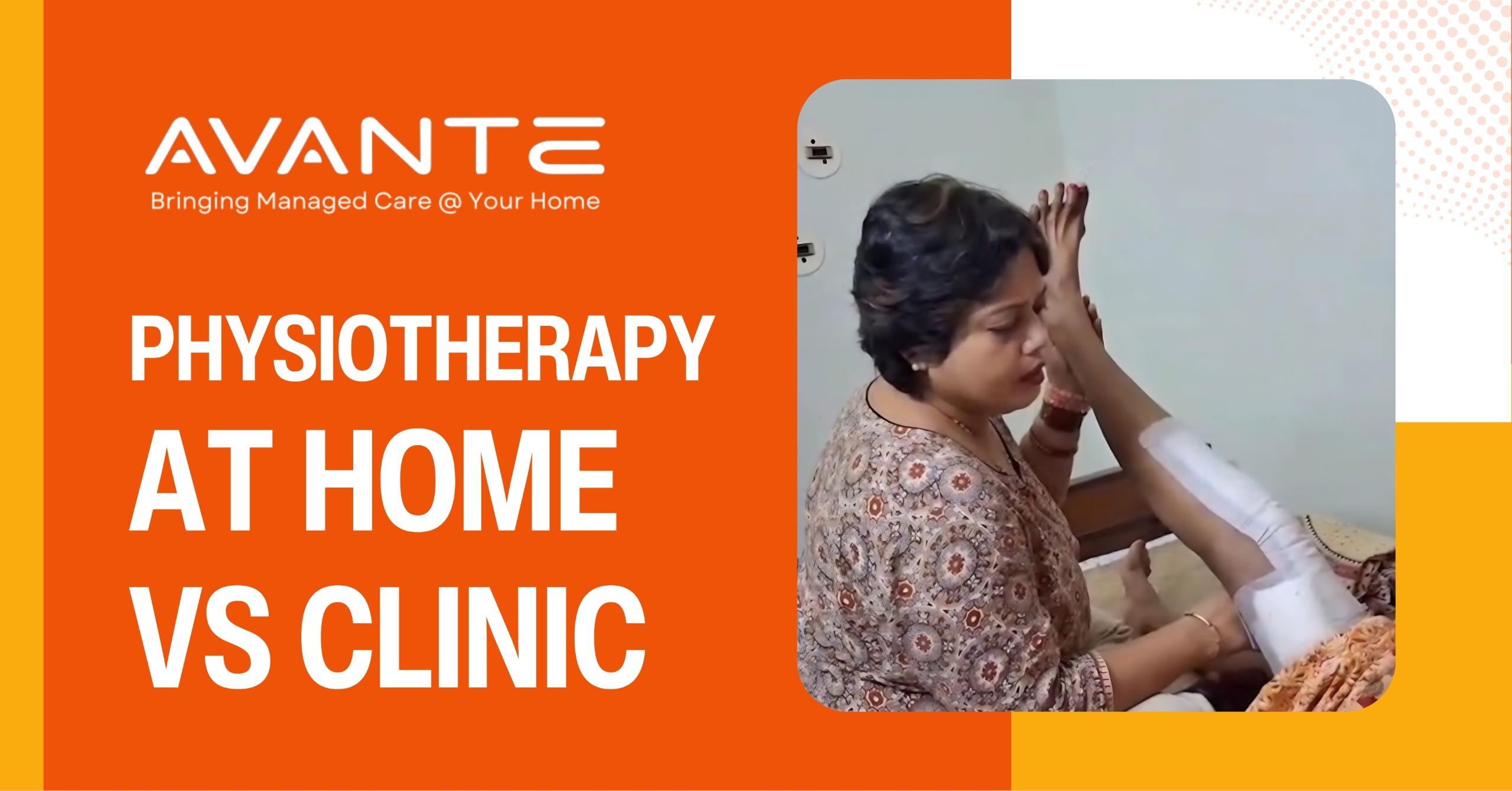
For most orthopaedic conditions, home-based physiotherapy is equally effective, provided the physiotherapist is qualified and follows a structured plan. It also removes travel-related strain, which matters for patients recovering from recent surgery, and allows exercises to be practised in the exact environment: stairs, furniture, floor type the patient will actually be using every day.
2. How soon after surgery should physiotherapy begin?
In most cases, physiotherapists recommend starting gentle movement within a few days of surgery, once the operating surgeon gives clearance, since early, guided movement helps prevent stiffness and complications while still respecting the healing tissue’s limits.
3. How many sessions of knee pain treatment at home in Kolkata are usually needed for noticeable improvement?
This varies by diagnosis and severity, but many patients see meaningful improvement within 8 to 12 sessions, with the physiotherapist adjusting the plan as progress is tracked and reassessed.
4. Can back pain physiotherapy at home in Kolkata help with sciatica or a slipped disc?
Yes, in many cases. Targeted exercises, posture correction, and manual therapy can significantly reduce nerve-related pain, although severe cases may still require medical evaluation alongside therapy.
5. Is physiotherapy covered under health insurance in India?
Coverage varies by insurer and policy. Some plans cover physiotherapy when it is prescribed following surgery or hospitalisation, so it is worth checking the specific policy terms with the insurance provider before starting a long-term programme.