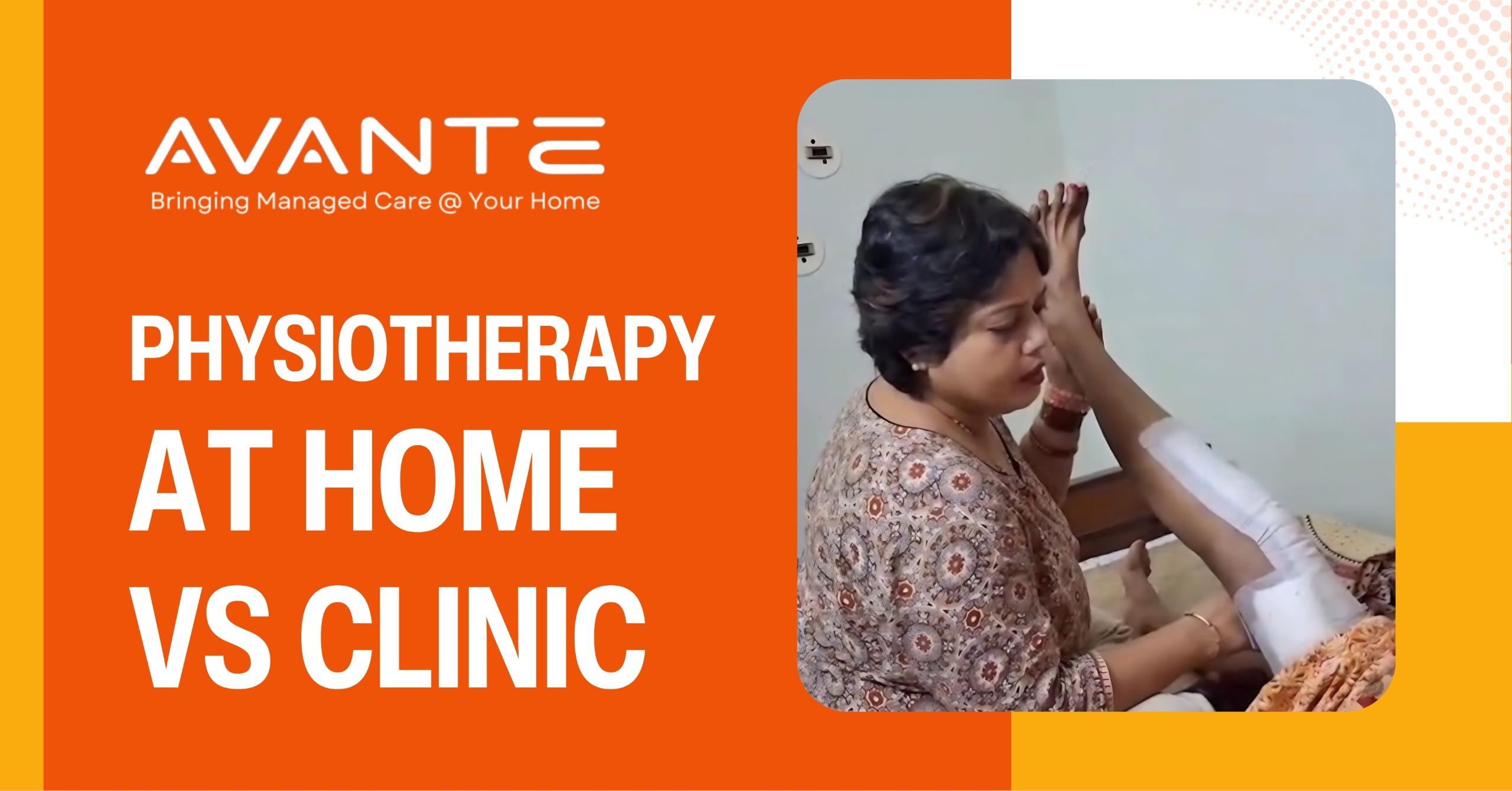
Back pain can make ordinary activities such as getting out of bed, sitting at work, bending, walking, or climbing stairs unexpectedly difficult. When discomfort keeps returning or begins affecting daily function, relying only on rest may not provide a sustainable solution. A structured physiotherapy programme can be used to improve movement, build strength, and support a gradual return to normal activities.
For people who have difficulty travelling for regular appointments, Back pain physiotherapy at home in Kolkata can provide supervised rehabilitation in a familiar environment. A physiotherapist can assess movement, flexibility, muscle strength, posture, and functional limitations before an individualized treatment plan is developed. This can make rehabilitation more practical while allowing progress to be monitored over time.
Low back pain is a significant health concern worldwide. The World Health Organization reports that 619 million people experienced low back pain in 2020, and it remains the leading cause of disability globally. In India, a systematic review of 97 studies estimated pooled point, annual, and lifetime prevalence at 48%, 51%, and 66%, respectively.
This guide explains when physiotherapy may be appropriate, what benefits can reasonably be expected, how home-based sessions work, and which symptoms should be medically evaluated first. The aim is to help patients and families make an informed decision about rehabilitation rather than simply choosing treatment based on pain intensity.
When Should Physiotherapy Be Considered for Back Pain?
Physiotherapy may be considered when back pain starts interfering with movement, work, sleep, exercise, or everyday activities. It can also be useful when pain repeatedly returns after temporary improvement or when stiffness and weakness continue after an injury.
The WHO recommends exercise and rehabilitation interventions for many people with low back pain. Treatment is generally selected according to the person’s symptoms, physical findings, functional limitations, and individual circumstances.
Signs that physiotherapy may be appropriate
An assessment may be worthwhile when:
- Back pain has continued or repeatedly returned.
- Bending or walking has become uncomfortable.
- Sitting or standing for long periods increases symptoms.
- Stiffness is limiting everyday movement.
- Muscle weakness is affecting mobility.
- Pain is interfering with sleep or work.
- Normal activities have become difficult.
- Recovery after an injury has been slower than expected.
Pain intensity alone does not determine whether physiotherapy is appropriate. Movement quality, muscle function, flexibility, balance, previous injuries, and daily activity levels may also need to be considered.
What Are the Main Benefits of Physiotherapy for Back Pain?
Physiotherapy is not simply a collection of exercises. A rehabilitation programme is normally structured around the individual’s symptoms, physical assessment, functional goals, and ability to tolerate movement.
Pain management and improved movement
Controlled movement can help reduce stiffness and restore confidence in physical activity. Depending on the assessment, treatment may include therapeutic exercise, mobility training, manual techniques, education, and gradual activity progression.
The objective is not necessarily to eliminate every sensation of pain immediately. Instead, rehabilitation is often focused on improving function while gradually increasing the person’s ability to perform meaningful activities.
Improved strength and flexibility
Reduced activity can contribute to muscle weakness and physical deconditioning. Targeted strengthening may therefore be introduced for relevant muscle groups, including the trunk, hips, and lower limbs.
Flexibility and mobility exercises may also be used when restricted movement is contributing to functional difficulties. Exercises should be progressed according to individual tolerance rather than copied from a generic online routine.
Better everyday function
Successful rehabilitation should be connected to real-life goals. For example, treatment may focus on helping a person sit comfortably at work, walk for longer, get out of a chair, bend safely, or resume household activities.
This functional approach can be particularly valuable for people whose back pain has gradually reduced their independence.
How Does Home Physiotherapy Work for Back Pain?
Home-based physiotherapy allows rehabilitation to take place where everyday activities actually occur. This can be useful when travelling is difficult because of pain, weakness, age-related mobility limitations, or recovery following an injury.
Back pain physiotherapy at home in Kolkata can include an initial assessment followed by an individualized rehabilitation programme. Exercises, movement strategies, and functional activities can then be adjusted according to progress and response.
What happens during an assessment?
A typical assessment may involve:
- Medical and symptom history: The duration, location, pattern, and triggers of pain may be discussed.
- Movement assessment: Everyday movements and mobility may be observed.
- Strength assessment: Relevant muscle groups may be evaluated.
- Flexibility assessment: Restrictions affecting movement may be identified.
- Functional assessment: Walking, transfers, bending, or other activities may be considered.
- Treatment planning: A progressive programme can then be developed.
- Progress monitoring: Treatment may be modified as function improves.
This approach helps ensure that treatment is based on individual findings rather than a standard exercise list.
What Can You Expect During a Physiotherapy Session?
A physiotherapy session may combine active rehabilitation with education and selected hands-on techniques. The exact treatment depends on the assessment and the stage of recovery.
| Treatment approach | Main purpose |
| Therapeutic exercise | Improve strength and physical capacity |
| Mobility exercises | Improve movement and reduce stiffness |
| Flexibility work | Address selected movement restrictions |
| Manual therapy | Support movement and symptom management when appropriate |
| Posture education | Improve awareness of movement habits |
| Functional training | Practise activities needed in daily life |
| Home exercises | Maintain progress between sessions |
Importantly, passive treatment alone is not usually the complete rehabilitation strategy. Active participation and appropriate progression are important components of long-term recovery.
Physiotherapy Modalities Commonly Used for Back Pain
Physiotherapy is not restricted to a single method of treatment. A well-rounded rehabilitation plan usually brings together therapeutic exercise, hands-on techniques, movement re-education, and specific physical modalities, chosen according to what the patient’s condition requires.
Our physiotherapists select these techniques based on the assessment findings, the treatment objective, the patient’s tolerance, and the stage of recovery, rather than applying every available modality to every patient.
- Mobility Exercises — Guided movement drills aimed at improving flexibility, joint range of motion, movement control, and everyday function.
- UST (Ultrasound Therapy) — A physical modality that may be included in treatment for certain soft-tissue conditions.
- TENS (Transcutaneous Electrical Nerve Stimulation) — May be used to help manage specific types of pain as part of a broader physiotherapy plan.
- IFT (Interferential Therapy) — An electrotherapy option that may be considered for pain relief and selected musculoskeletal issues.
- EMS (Electrical Muscle Stimulation) — May support muscle activation in suitable patients when paired with active rehabilitation.
- Russian Current — A form of electrical stimulation that may be applied for particular muscle-strengthening and re-education goals.
- IASTM (Instrument-Assisted Soft Tissue Mobilization) — Performed by trained professionals to address selected soft-tissue restrictions and improve tissue mobility.
- Myofascial Release — A hands-on technique intended to reduce soft-tissue tightness and support more comfortable movement.
- Meridian Pen — May be used as a supportive technique for certain pain or muscle-tension concerns where appropriate.
- Cryotherapy — Cold-based treatment that may assist with managing pain and swelling in suitable acute or post-exercise situations.
- Red Light Therapy — May be considered as a supportive modality for select rehabilitation goals, depending on the patient’s condition.
- Shockwave Therapy — A specialised modality that may be considered for certain persistent musculoskeletal and soft-tissue problems after a professional assessment.
- Cupping Therapy — May be used as a supportive technique for selected muscle tightness and soft-tissue complaints.
- Hijama — Where requested and clinically appropriate, this may be offered as a supportive therapy rather than a substitute for evidence-based rehabilitation.
- Dry Needling — A technique that may be used by appropriately trained professionals for selected myofascial pain and trigger-point conditions.
- Kinesiology Taping — May offer temporary support or sensory feedback during movement and rehabilitation.
- Soft Tissue Mobilization — Hands-on treatment used to address stiffness in muscles and soft tissue and support comfortable movement.
- Deep Tissue Massage — May help manage particular muscle tension or stiffness where suitable for the patient’s condition.
- Cervical & Lumbar Traction — May be considered for selected neck or lower-back conditions following professional assessment.
- Combination Therapy — Different modalities may be paired with therapeutic exercise and manual techniques when clinically appropriate.
The specific combination of modalities used will always depend on individual assessment findings, and none of these techniques are meant to replace active, exercise-based rehabilitation.
How many sessions are required?
There is no fixed number of physiotherapy sessions for back pain. The duration of treatment depends on the individual’s symptoms, underlying condition, functional limitations, response to treatment, and recovery goals.
Progress can be assessed through practical improvements such as increased walking tolerance, easier movement, improved strength, better sleep, and greater independence with daily activities.
Is Home Physiotherapy Better Than Clinic Physiotherapy?
Neither setting is automatically better for every patient. The appropriate option depends on mobility, clinical requirements, convenience, available equipment, and the person’s ability to travel.
| Consideration | Home Physiotherapy | Clinic Physiotherapy |
| Travel | No regular clinic travel required | Patient travels to the clinic |
| Environment | Familiar home environment | Dedicated clinical environment |
| Convenience | Useful for people with mobility limitations | Suitable for people who can travel comfortably |
| Functional practice | Can relate treatment to home activities | Can use clinic-based equipment |
| Privacy | Sessions take place at home | Treatment takes place in a clinical setting |
| Rehabilitation | Individualized programme | Individualized programme |
For patients who struggle to leave home, physiotherapy services at home in kolkata can make regular rehabilitation easier to maintain. Consistency can be important because exercises and activity progression often need to be continued between supervised sessions.
Can Physiotherapy Help With Related Joint and Mobility Problems?
Back pain does not always occur in isolation. Changes in walking patterns, reduced activity, muscle weakness, or joint stiffness can affect other areas of the body.
For example, someone recovering from a back problem may also experience difficulty with knee movement or general lower-limb mobility. In such situations, Knee pain treatment at home Kolkata may involve assessment of movement patterns, muscle strength, flexibility, balance, and functional activities.
The treatment should still be individualized. Knee pain can have many causes, so rehabilitation should not be started on the assumption that the same exercises used for back pain will automatically be appropriate.
When Should Back Pain Be Medically Evaluated?
Most back pain does not indicate a serious underlying disease. However, some symptoms require medical assessment before routine physiotherapy is started.
Urgent evaluation may be appropriate when back pain occurs with:
- Significant trauma or suspected fracture
- Progressive weakness in the legs
- New loss of bladder or bowel control
- Numbness around the inner thighs or genital region
- Fever or signs of infection
- Unexplained weight loss
- Severe or rapidly worsening symptoms
- Other concerning neurological symptoms
The WHO notes that specific low back pain can sometimes be associated with conditions such as fracture, infection, cancer, or inflammatory disease. Therefore, unusual or concerning symptoms should not be ignored.
Why assessment matters
A proper assessment helps distinguish common mechanical or non-specific back pain from situations that may require further medical investigation. Physiotherapy should be provided within appropriate clinical boundaries, with referral arranged when symptoms indicate that additional evaluation is needed.
What Can You Do Between Physiotherapy Sessions?
Recovery does not depend entirely on supervised appointments. The activities performed between sessions can also influence progress.
Practical measures that may support rehabilitation
- Follow the prescribed exercise programme.
- Avoid prolonged inactivity unless medically advised.
- Take regular movement breaks during long periods of sitting.
- Gradually return to normal activities as tolerated.
- Use safe techniques when lifting or bending.
- Maintain appropriate physical activity.
- Follow the physiotherapist’s instructions about progression.
- Report worsening or unusual symptoms promptly.
Exercises should not be increased simply because faster recovery is desired. Progression should generally be based on symptoms, movement quality, strength, and functional tolerance.
Can Home Physiotherapy Support Older Adults With Back Pain?
Older adults may experience additional challenges such as reduced balance, muscle weakness, joint stiffness, or difficulty travelling. Home-based rehabilitation can therefore be useful when the primary goal is to maintain safe movement and independence.
Treatment may focus on practical activities such as getting out of bed, transferring between a chair and standing position, walking safely, and performing basic household movements. Where required, rehabilitation may also form part of a broader home-care plan.
In more complex situations, families may also require nursing services near kolkata when an individual needs additional assistance with daily care, post-hospitalization support, medication-related care, or mobility-related supervision. Physiotherapy and nursing have different roles, but coordinated home care may be useful when multiple needs are present.
How Should a Home Physiotherapy Provider Be Chosen?
Choosing a provider should involve more than comparing session costs. The qualifications of the physiotherapist, assessment process, treatment planning, communication, continuity, and safety standards should all be considered.
Questions to ask before starting
- Will an initial assessment be performed?
- Is the physiotherapist appropriately qualified?
- Will treatment be individualized?
- How will progress be measured?
- Will exercises be demonstrated clearly?
- Can treatment be adjusted if symptoms change?
- Is follow-up support available?
- What happens if concerning symptoms are identified?
Avante Health follows this approach by providing physiotherapy and home care service in Kolkata based on individual assessment, appropriate care planning, and ongoing progress.
Conclusion
Back pain can affect mobility, work, sleep, and independence, but structured rehabilitation can help many people improve movement and function. Back pain physiotherapy at home in Kolkata provides a practical option for individuals who require supervised rehabilitation but find regular travel difficult.
The most appropriate programme should be based on assessment rather than a standard exercise routine. Progressive strengthening, mobility work, functional training, education, and consistent monitoring can all contribute to a safer and more sustainable recovery.
When back pain continues to interfere with everyday life, a professional physiotherapy assessment can help determine the underlying functional limitations and whether home-based rehabilitation is appropriate. Avante Health provides physiotherapy and related home care service in Kolkata, helping patients receive appropriate support based on their individual care and rehabilitation needs. Taking that first assessment step can make the recovery process more structured, measurable, and manageable.
Frequently Asked Questions
1. Is physiotherapy effective for lower back pain?
Physiotherapy can support pain management, mobility, strength, and functional recovery for many people with non-specific low back pain. The treatment approach should be based on an individual assessment rather than a generic exercise programme.
2. Can back pain physiotherapy be done at home?
Yes. Home-based physiotherapy can be suitable for people who have difficulty travelling, reduced mobility, or a need for rehabilitation within their everyday environment. Treatment can include assessment, therapeutic exercises, movement training, education, and progress monitoring.
3. How long does back pain physiotherapy take to work?
Recovery varies between individuals. Some acute episodes improve within weeks, while persistent or recurrent back pain may require a longer rehabilitation programme. Functional improvements should be considered alongside changes in pain.
4. Should complete bed rest be used for back pain?
Complete inactivity is generally not recommended for most non-specific low back pain. Appropriate physical activity and gradual movement are commonly encouraged, although the level of activity should be individualized according to the person’s condition.
5. When should a doctor be consulted for back pain?
Medical evaluation should be prioritized when back pain follows significant trauma or occurs alongside symptoms such as progressive weakness, bladder or bowel changes, fever, unexplained weight loss, or other concerning neurological symptoms.