Blood pressure changes throughout the day depending on physical activity, stress, medication, meals and sleep. A single reading at a clinic may not always reflect these fluctuations, making it difficult to identify hypertension accurately. This is why doctors increasingly recommend ambulatory blood pressure monitoring (ABPM) for patients who need a more complete assessment. With ABPM test at home in Kolkata, patients can have their blood pressure monitored during their usual daily routine without repeated visits to a diagnostic centre.
The need for accurate monitoring is significant. According to the World Health Organization’s 2025 Global Hypertension Report, approximately 30% of adults aged 30–79 in India have hypertension, and only 17% of adults in this age group with hypertension have it controlled. These figures highlight the importance of early detection, appropriate treatment and regular follow-up.
What Is ABPM Monitoring?
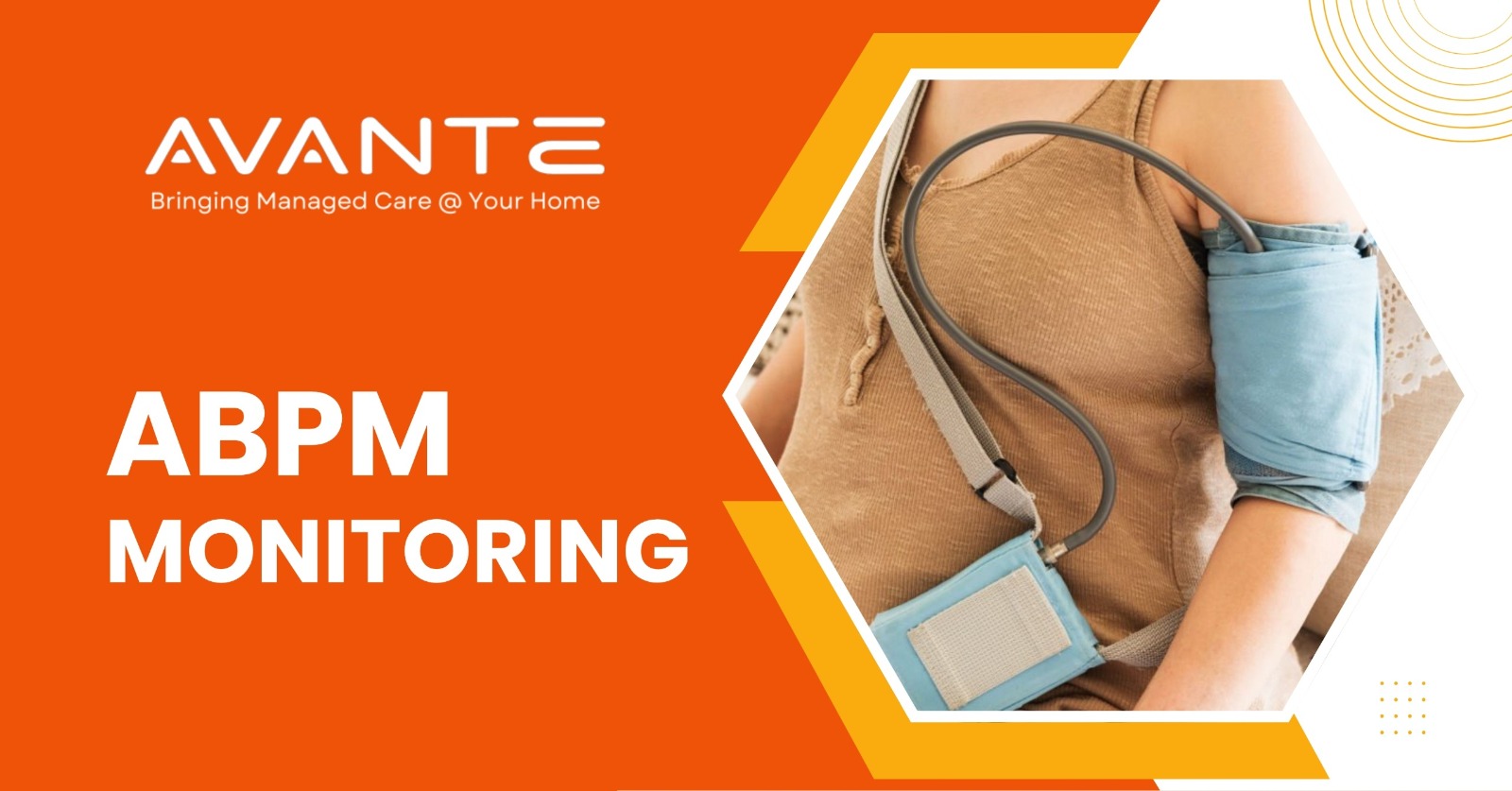
Ambulatory blood pressure monitoring is a non-invasive medical test that measures blood pressure automatically over approximately 24 hours while a person continues their normal activities.
A portable monitor is connected to an inflatable cuff worn around the upper arm. The device takes readings at programmed intervals, including during waking hours and sleep. A doctor then reviews the recorded data to understand average blood pressure levels and identify abnormal patterns.
Unlike a routine blood pressure check, ABPM provides a broader view of how blood pressure behaves throughout the day and night.
What Does an ABPM Test Measure?
An ABPM report typically includes:
- 24-hour average: The average blood pressure recorded across the monitoring period.
- Daytime average: Blood pressure during usual waking hours.
- Nighttime average: Blood pressure while the patient is asleep.
- Blood pressure variability: Changes in readings across different periods.
- Nocturnal dipping: Whether blood pressure falls during sleep as expected.
- Morning blood pressure: Readings that help doctors assess blood pressure around waking.
These measurements help clinicians make better-informed decisions about diagnosis and treatment.
How Does ABPM Monitoring Work?
The procedure is straightforward and usually does not require hospital admission.
Step-by-Step ABPM Testing Process
- Device fitting: A trained healthcare professional places the cuff on the upper arm and connects it to a portable monitor.
- Automatic measurements: The monitor records blood pressure at regular intervals, often every 15–30 minutes during the day and at longer intervals overnight, depending on its settings.
- Normal daily activities: Patients generally continue their routine while following the instructions provided by the healthcare professional.
- Sleep monitoring: The device continues recording readings overnight to identify nighttime hypertension and abnormal dipping patterns.
- Device removal: After the prescribed monitoring period, the device is removed.
- Report analysis: The recorded measurements are reviewed by a qualified clinician, who interprets the findings alongside the patient’s medical history.
The NICE hypertension guideline recommends at least two ABPM measurements per hour during usual waking hours and an average of at least 14 daytime measurements to confirm a diagnosis under its diagnostic pathway.
Why Is ABPM More Informative Than a Single BP Reading?
Blood pressure can rise temporarily in a medical setting because of nervousness or anxiety. Conversely, some people have normal clinic readings despite experiencing elevated blood pressure during everyday activities.
ABPM helps identify these differences.
| Measurement method | How it works | Main advantage | Limitation |
|---|---|---|---|
| Clinic BP check | Readings taken during a medical appointment | Quick and convenient | May not reflect usual blood pressure |
| Home BP monitoring | Patient takes readings using a home device | Useful for regular follow-up | Usually misses sleep-time readings |
| ABPM monitoring | Automatic readings throughout approximately 24 hours | Captures daytime and nighttime patterns | Repeated cuff inflation may cause discomfort |
The American Heart Association identifies out-of-office blood pressure measurement as an important part of accurate hypertension assessment. ABPM is particularly valuable when clinic readings and everyday blood pressure appear inconsistent.
Why Do Doctors Recommend ABPM Monitoring?
Doctors may recommend ABPM when routine readings do not provide enough information to establish a diagnosis or evaluate treatment.
1. Confirming or Ruling Out Hypertension
Repeated readings provide a more representative picture than an isolated measurement. ABPM can help determine whether elevated clinic readings reflect sustained hypertension or a temporary increase.
2. Detecting White Coat Hypertension
White coat hypertension occurs when blood pressure is elevated in a clinical setting but falls within the normal range outside it. Anxiety during medical appointments can contribute to this pattern.
Identifying it helps doctors avoid making treatment decisions based solely on clinic measurements.
3. Identifying Masked Hypertension
Masked hypertension is the opposite pattern: clinic readings may appear normal, while blood pressure is elevated at home, work or during sleep.
This condition deserves attention because research associates masked hypertension with increased cardiovascular risk. ABPM can reveal elevated readings that routine checks may miss.
4. Assessing Whether Medication Is Working
Blood pressure medication may not control readings equally throughout the day. ABPM helps doctors assess whether treatment provides adequate control across waking and sleeping hours.
The findings may inform decisions about treatment timing or medication adjustments. Patients should never change their medication independently based on individual readings.
5. Identifying Nighttime Hypertension
Blood pressure generally decreases during sleep. However, some people experience elevated nighttime readings or an insufficient overnight fall.
These patterns can be associated with a higher risk of cardiovascular complications. ABPM is particularly useful because routine clinic measurements cannot capture them.
Who Should Consider an ABPM Test?
A doctor may recommend ABPM for people who have:
- Repeatedly high or inconsistent clinic readings.
- Suspected white coat or masked hypertension.
- Blood pressure that remains elevated despite medication.
- Symptoms or readings suggesting possible episodes of low blood pressure.
- Suspected nighttime hypertension or an abnormal overnight blood pressure pattern.
- A need for a more detailed assessment before or during hypertension treatment.
Older adults and people with diabetes, kidney disease or other cardiovascular risk factors may also benefit when their doctor considers ABPM appropriate.
However, ABPM is not necessary for everyone. The decision depends on clinical findings, existing conditions and the purpose of monitoring.
How to Prepare for an ABPM Test
Following the instructions provided by the healthcare professional helps improve the quality of the readings.
Before and during the test:
- Wear loose-fitting clothing that allows the cuff and monitor to be positioned comfortably.
- Continue your usual routine unless your clinician advises otherwise.
- When the cuff starts inflating, keep your arm relaxed and still, ideally at your side.
- Avoid removing, adjusting or disconnecting the equipment without professional guidance.
- Keep a diary of activities, sleep times, symptoms and medication timings if instructed.
- Follow the device-specific instructions for bathing, exercise and overnight use.
The cuff may feel tight for a short time during each measurement. Mild discomfort or disturbed sleep can occur, but most people can complete the test without significant difficulty.
Understanding ABPM Results
ABPM reports must be interpreted in context rather than by looking at one high or low reading.
Under the NICE diagnostic pathway, hypertension is confirmed in adults with clinic blood pressure of at least 140/90 mmHg when the average daytime ABPM reading is also at least 135/85 mmHg.
| Measurement | NICE diagnostic threshold |
|---|---|
| Clinic blood pressure | 140/90 mmHg or higher |
| Average daytime ABPM | 135/85 mmHg or higher |
| Average daytime ABPM for diagnosis | At least 14 valid daytime readings, with at least two readings per hour |
These are guideline-specific thresholds, not universal targets for every patient. Other guidelines may use different definitions, and individual treatment goals depend on factors such as age, medical history and cardiovascular risk.
Doctors also examine nighttime averages, daily variation and the overall pattern. An abnormal report does not automatically mean medication must be changed; the clinician considers the findings alongside symptoms, existing treatment and other investigations.
ABPM Monitoring at Home in Kolkata
For elderly patients, people with mobility difficulties and individuals managing chronic conditions, travelling to a diagnostic centre can be inconvenient. Home-based monitoring offers an alternative when the service is clinically appropriate.
Avante Health provides home healthcare support in Kolkata, helping patients access selected monitoring services in a familiar environment.
With ABPM test at home in Kolkata, a trained professional can assist with device placement and explain how to manage the monitoring period according to the service protocol. Patients can then continue their normal activities while the equipment records blood pressure.
Home-based care may be especially helpful for people who require additional support from family members or healthcare professionals. Patients should confirm the service’s availability, device arrangements, reporting process and clinician review before booking.
Other Home Healthcare Services That Support Patient Care
Blood pressure monitoring is only one part of managing long-term health. Depending on the patient’s condition, doctors may recommend additional services.
Nursing Support at Home
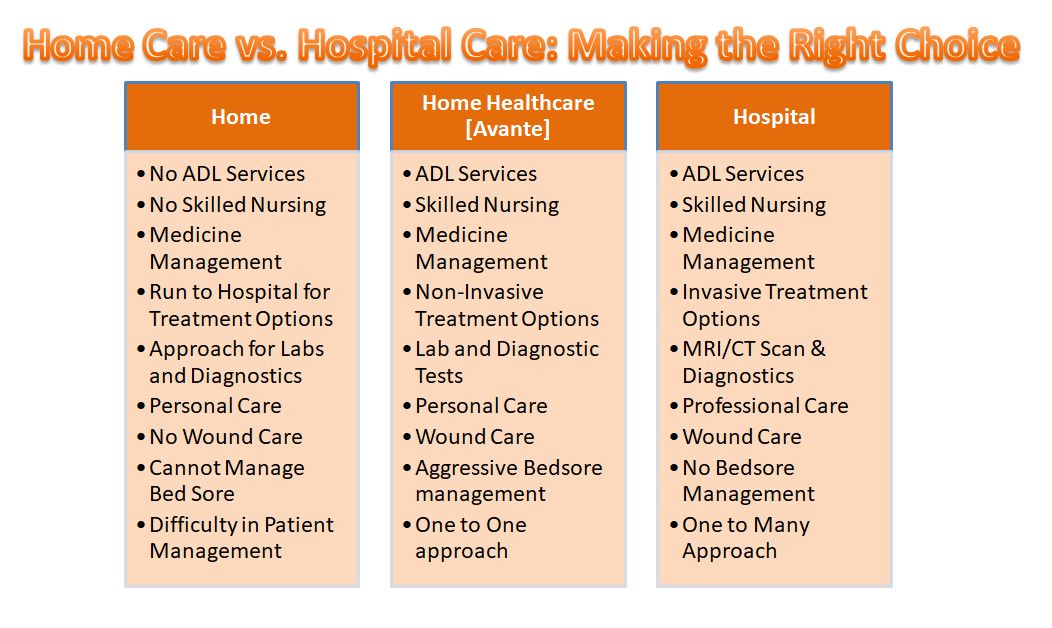
Patients recovering from illness, living with chronic conditions or needing help with prescribed care may benefit from nursing services near Kolkata. Professional nursing support can assist with care routines, observation and coordination with the treating clinician.
Cardiac Rhythm Assessment
Blood pressure monitoring and heart rhythm monitoring measure different things. When a doctor suspects an irregular heartbeat, a Holter monitor may be recommended to record the heart’s electrical activity over a defined period.
A Holter monitoring service at home in Kolkata can be a convenient option where home-based fitting and monitoring are available and appropriate. Holter monitoring does not replace ABPM; each test answers a different clinical question.
Vaccination at Home
For eligible patients who prefer to receive selected vaccines outside a clinic, vaccination service at home in Kolkata may offer convenience, subject to vaccine availability, medical screening, cold-chain requirements and appropriate emergency precautions.
Vaccination recommendations depend on age, medical history and current clinical guidance.
Diabetic Foot Care
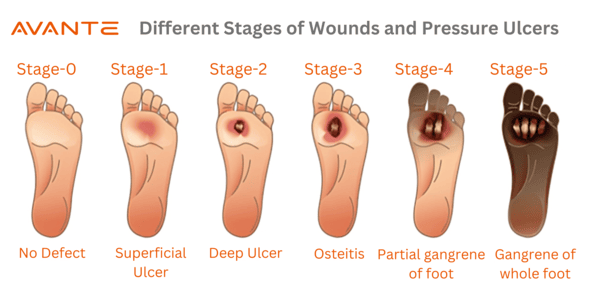
People with diabetes may need regular foot assessments because reduced sensation and poor circulation can increase the risk of unnoticed injuries and complications.
Diabetic Foot Care At Home in Kolkata can support routine foot observation and professional guidance where appropriate. New wounds, spreading redness, swelling, discharge or blackened tissue require prompt medical assessment rather than routine home care alone.
These services address different health needs. A doctor should determine which monitoring, nursing or preventive care services are appropriate for each patient.
Conclusion: Why ABPM Monitoring Matters for Long-Term Health
ABPM monitoring gives doctors a more complete understanding of blood pressure than a single clinic reading. By recording measurements during normal activities and sleep, it helps identify white coat hypertension, masked hypertension, nighttime abnormalities and possible gaps in treatment control.
With hypertension affecting approximately 30% of Indian adults aged 30–79, according to WHO’s 2025 estimates, accurate diagnosis and consistent follow-up remain important public health priorities.
For patients who find clinic visits challenging, home-based monitoring may offer a practical alternative when recommended by a healthcare professional. Avante Health’s home healthcare services in Kolkata can help patients explore appropriate monitoring and supportive care options.
Concerned about inconsistent blood pressure readings? Consult your doctor about whether ABPM is appropriate and ask about the availability of home-based monitoring in Kolkata. Early assessment can help guide informed treatment decisions and long-term cardiovascular care.
Frequently Asked Questions
1. Is ABPM monitoring painful?
ABPM is generally non-invasive and painless. The cuff tightens during each reading, which may cause temporary pressure or mild discomfort. Some people experience disturbed sleep because the device continues recording overnight.
2. How long does an ABPM test take?
Most ABPM tests last approximately 24 hours. The exact duration and measurement intervals depend on the clinician’s instructions and the device being used.
3. Can I continue my normal activities during ABPM monitoring?
Usually, yes. You can generally walk, work and perform routine activities. However, you should follow the instructions about exercise, bathing, device care and keeping your arm still during readings.
4. What is the difference between ABPM and Holter monitoring?
ABPM measures blood pressure at regular intervals over approximately 24 hours. Holter monitoring records the heart’s electrical activity to help detect rhythm abnormalities. A doctor recommends the appropriate test according to the symptoms and suspected condition.
5. Is home-based ABPM monitoring suitable for elderly patients?
It may be suitable for older adults, particularly those who find travelling difficult. A healthcare professional can help with fitting and instructions. The suitability of home monitoring depends on the patient’s condition, mobility, support needs and the service available.
6. Does an abnormal ABPM report mean I have hypertension?
Not necessarily. Doctors assess the average readings, measurement quality, daytime and nighttime patterns, symptoms and clinical history before making a diagnosis. If the results are borderline or inconsistent, repeat monitoring or additional assessment may be necessary.