Pain that lasts beyond the first week needs more than rest and a tube of gel. Someone has to work out why it hurts and then choose what to do about it. That is the job of physiotherapy at home in Kolkata. A qualified physiotherapist comes to the patient, assesses the problem and builds a plan from exercises, hands-on work and, selectively, equipment.
The long list of techniques is where families get lost. TENS, IFT, shockwave, dry needling, cupping: the names sound impressive and the claims around them vary a lot. The World Health Organization estimates that about 1 in 13 people, or 619 million, were living with low back pain in 2020. A great many people are choosing between treatments right now.
At Avante Health, we wrote this guide to explain the techniques our physiotherapists use. For each one we say what it is for, who should avoid it and where the evidence is solid or thin.
How Does Physiotherapy at Home in Kolkata Choose the Right Technique?
A physiotherapist picks a technique after an assessment, not before it. They look at the pain pattern, movement, strength, balance and daily routine, then match tools to the condition, how well the patient tolerates them and the stage of recovery. Exercise is the base and other techniques are added only where they help.
Most rehabilitation moves through three overlapping phases: settling pain and swelling, restoring movement, then rebuilding strength. The phases overlap and a flare-up in week four can send the plan back to settling for a few days. That does not mean treatment has failed.
What Happens at a Home Physiotherapy Visit?
The first visit is mostly assessment. The physiotherapist asks about the problem and your medical history, checks movement, strength, balance and walking, looks at how the home is set up and agrees goals with you. Some treatment may begin in the same visit, depending on what the assessment finds.
The first assessment
A thorough first visit usually covers:
- Your history: The condition, past surgeries, medicines and other health problems such as diabetes or heart disease.
- The pain itself: Where it sits, when it comes and what makes it better or worse.
- Movement and strength: How far a joint moves and which muscles are weak or tight.
- Balance and walking: Including getting up from a chair or out of bed.
- The home: Stairs, bed height, bathroom and floor surfaces.
- Your goals: The everyday things you want back, such as walking to the bathroom alone or climbing the stairs.
This is one real advantage of physiotherapy at home in Kolkata. The physiotherapist sees the actual stairs, bed and bathroom the patient has to manage and can adapt exercises to them instead of to a clinic floor.
What the family does between visits
The hours between sessions decide a lot of the result. These habits help most:
- Do the prescribed exercises at the agreed times, including on days the pain is low.
- Keep a short diary of pain, walking and anything that set off a flare-up.
- Clear the floor, fix loose rugs and light the route to the bathroom.
- Sit in on the first sessions, so someone else in the house knows the exercises.
Why Does Exercise Come Before Any Machine?
Exercise has the strongest evidence for lasting relief. The WHO guideline on chronic low back pain recommends exercise programmes and the UK’s NICE guideline on osteoarthritis calls therapeutic exercise a core treatment. Machines and hands-on work can make exercise more comfortable, but they rarely replace it.
Mobility exercises are guided movements that improve flexibility, joint range and control. They look the least impressive on a list, yet they do the most for long-term results. They are also the part patients can keep doing between visits.
Combination therapy means several techniques in one plan: a cold pack to settle a swollen joint, hands-on work to loosen the tissue around it, then exercise. The exercise is the point.
Electrotherapy: What Do TENS, IFT, EMS and Ultrasound Do?
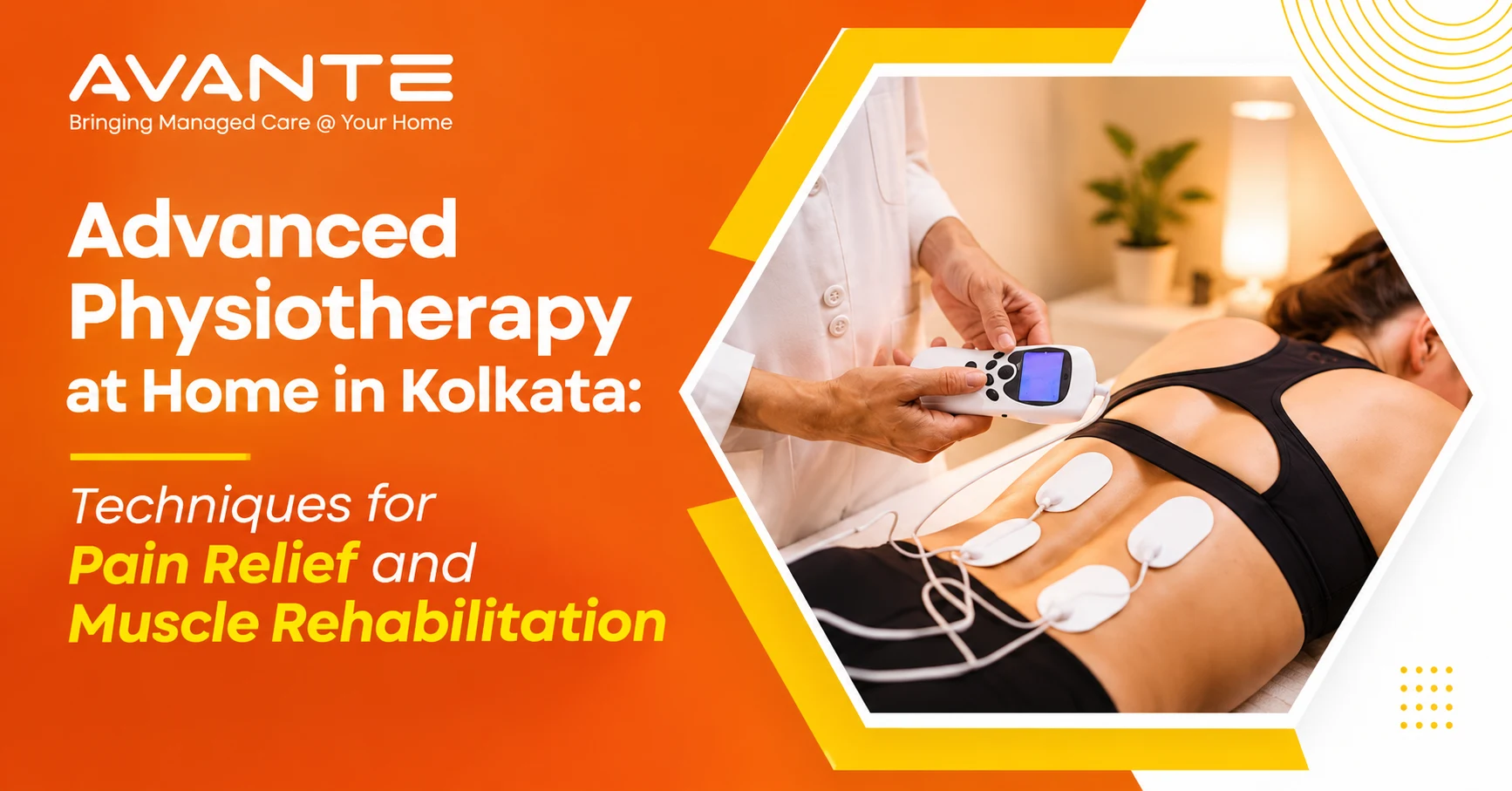
Each electrical device has a narrow job. TENS and IFT aim to ease pain for a short time, EMS and Russian current wake up weak muscles and therapeutic ultrasound warms deep tissue. All of them support exercise and the evidence behind them ranges from thin to unsupportive for some uses.
What are TENS and IFT and do they work?
Electrical nerve stimulation (TENS) sends small electrical pulses through pads on the skin. Interferential current therapy (IFT) crosses two medium-frequency currents so that they reach somewhat deeper tissue. Both are used to bring pain down far enough for exercise to start and many patients feel some short-term relief.
The proof is thin. A Cochrane overview of TENS for chronic pain rated the evidence quality very low and its authors could not say with confidence whether TENS helps or harms. That is not the same as saying it does not work. It means a physiotherapist should offer TENS or IFT as a short-term aid and never as the whole plan.
What are EMS and Russian current used for?
Electrical muscle stimulation (EMS) and Russian current, a medium-frequency form of it, use electrical pulses to make a muscle contract. After a knee operation or a long spell in bed, a muscle often struggles to switch on by itself. Stimulation can help it start working again. It is used alongside active exercise, because on its own it does not rebuild strength.
Does therapeutic ultrasound work for back pain?
Not for chronic low back pain, going by the evidence. A Cochrane review concluded that the current evidence does not support therapeutic ultrasound (UST), which uses sound waves to warm deep soft tissue. It is kept for selected soft tissue problems after assessment, never as a main treatment.
Hands-On and Specialised Techniques at a Glance
The two tables give the quick version of the rest of the toolkit. The notes after them cover the techniques that need more explanation.
Hands-on techniques
| Technique | Used For | Keep in Mind |
|---|---|---|
| Myofascial release: slow, steady pressure on the tissue around muscles | Stiffness that limits movement | Should feel like a stretch, never sharp pain |
| Soft tissue mobilization: rhythmic pressure and stretching of stiff muscle | Tight muscles around a sore joint | Tell us if the pressure is too much |
| Deep tissue massage: firmer pressure on deeper muscle layers | Long-standing muscle tension | Extra care with blood thinners and fragile skin |
| IASTM: smooth-edged tools glided over the skin | Restricted or scarred soft tissue | Can leave temporary redness or bruising |
Hands-on work should feel like relief or a firm ache. If it hurts sharply, say so straight away. For chronic low back pain, the WHO guideline lists massage among the therapies it recommends.
Specialised techniques
| Technique | Used For | Keep in Mind |
|---|---|---|
| Dry needling: a thin needle into a tight muscle knot | Selected muscle pain from trigger points | Relief is often short-lived |
| Shockwave therapy: pressure waves aimed at a painful spot | Persistent heel or tendon pain | Considered only after assessment |
| Cryotherapy: cold packs | Pain and swelling after a fresh injury | Not for numb skin or poor circulation |
| Red light therapy | A support for soft tissue pain | Evidence is still developing |
| Kinesiology taping | Short-term support and movement feedback | Modest benefit |
| Cervical and lumbar traction | Selected neck or lower back problems | WHO advises against it for most chronic low back pain |
| Cupping | Muscle tightness, as a comfort measure | Limited evidence |
| Hijama (wet cupping) | Only on request | Involves small skin cuts |
| Meridian Pen | A comfort measure | Limited evidence |
Dry needling and shockwave: what the evidence says
Dry needling is used by trained professionals for tight, tender knots in a muscle known as trigger points. A 2015 systematic review of trigger point dry needling found benefit in most of the higher-quality trials it included and asked for better, more standardised research. NICE, on the other hand, advises against dry needling for osteoarthritis. We see it as an option for selected muscle pain and not for arthritic joints. Our guide to dry needling therapy explains what the procedure involves.
Shockwave therapy has been studied mainly for persistent heel pain and some tendon problems. It is considered only for problems that have lingered and only after a professional assessment.
Are cupping and hijama safe?
Cupping and hijama have limited evidence and neither replaces exercise. Cupping places suction cups on unbroken skin and leaves round marks that fade in a few days. Hijama adds small skin cuts, so it needs sterile, single-use equipment and does not suit people on blood thinners. At Avante Health, we consider hijama only on request and where it is clinically appropriate.
The Meridian Pen is a handheld, pen-shaped tool pressed on acupressure points. Some patients like it. We treat it as a comfort measure and not as a core treatment.
Which Techniques Suit Which Condition?
It depends on the condition and the stage of recovery. In nearly every case exercise is the base, with other tools added for short-term relief or a specific tissue problem. The table shows common patterns and not a fixed prescription, because the plan is set after assessment.
| Condition | Techniques Often Used | Main Focus |
|---|---|---|
| Knee osteoarthritis | Therapeutic exercise, advice on weight and walking aids | Stronger thigh muscles, steadier walking |
| After knee or hip replacement | The surgeon’s protocol, mobility work, cold, EMS in some cases | Range of movement, safe walking |
| Low back pain | Graded exercise, education, soft tissue work, short-term TENS or IFT | Staying active |
| Sciatica | Gentle mobility work, posture advice, soft tissue work | Easing leg symptoms, returning to normal activity |
| Neck pain and cervical spondylosis | Mobility and posture exercises, soft tissue work, traction only if assessed | Neck movement and everyday posture |
| Frozen shoulder | Gentle range-of-movement exercises, soft tissue work, pain relief tools | Gradual return of movement |
| Stroke | Task-based exercise for balance, transfers and walking, EMS in selected cases | Independence in daily tasks |
| Falls risk in older adults | Balance and strength exercises, walking practice, a home safety check | Fewer falls, more confidence |
Knee Pain Physiotherapy at Home in Kolkata: Exercise First, Machines Second
Knee pain usually comes from osteoarthritis, recovery after a replacement, or a ligament or cartilage injury. For knee pain physiotherapy at home in Kolkata, osteoarthritis plans start with therapeutic exercise. NICE advises against offering TENS, ultrasound, IFT or electrical muscle stimulation for osteoarthritis because the evidence of benefit is insufficient. It also advises against dry needling for the condition and against routine taping or bracing.
At Avante Health, we therefore build knee plans around strength, balance and walking practice. Cold packs and hands-on work keep sessions comfortable and a walking aid is added if the knee needs one.
After a knee replacement the picture changes. The surgeon’s recommendations set the limits and the physiotherapist works inside them: range of movement first, then thigh strength, then walking. Shortcuts rarely help a new joint.
Back Pain Physiotherapy at Home in Kolkata: What Helps and What Does Not
The WHO guideline recommends education and exercise for chronic low back pain, along with some physical therapies such as spinal manipulation and massage. It advises against lumbar braces, belts and supports and against traction, for most people. That shapes how we approach back pain physiotherapy at home in Kolkata. We use graded exercise and a clear explanation of what is going on. Hands-on work eases tight muscles and short-term pain relief tools make movement easier.
Staying gently active usually helps more than strict bed rest, even when it feels wrong. The physiotherapist sets a level of activity that is safe for the cause of the pain, then raises it gradually.
Who Should Avoid Certain Physiotherapy Techniques?
Several techniques are unsuitable for people with certain implants, medicines or health conditions. Tell your physiotherapist about every medicine and condition before any technique is used, including pacemakers, blood thinners, diabetes and pregnancy. The list below covers the common cautions and your own assessment decides.
- TENS, IFT and EMS: a pacemaker or other implanted electrical device, broken or numb skin where the pads go and pregnancy or epilepsy, which need a specialist check first.
- Deep tissue work, IASTM, dry needling and hijama: blood thinners, bleeding disorders and fragile or infected skin.
- Cold packs: numb skin or poor circulation, which includes long-standing diabetes.
- Ultrasound and shockwave: pregnancy, a suspected blood clot, cancer in the area, or an implanted device close by.
- Traction: osteoporosis, an unstable spine, recent spinal surgery, or leg weakness that is getting worse.
The list is not exhaustive. A good physiotherapist reviews your history and medicines first and will say no to a technique that does not suit you.
When Should You See a Doctor Before a Physiotherapist?
Physiotherapy is not the right first step for every pain. Some symptoms point to a problem that needs a doctor’s examination or tests before any treatment. Call a doctor first if you notice any sign below and go to hospital straight away for the urgent ones:
- Back pain with numbness around the groin or buttocks, new leg weakness, or loss of bladder or bowel control: This may indicate a serious spinal emergency.
- Back pain with fever, unexplained weight loss or constant night pain: These symptoms need prompt medical assessment.
- Pain after a fall with inability to bear weight, or a visibly deformed joint: Seek urgent medical attention.
- A hot, red, swollen joint, especially with fever: This may indicate a joint infection and needs urgent assessment.
- Calf pain and swelling after surgery or a long spell in bed: This may indicate a blood clot and requires urgent medical evaluation.
Our doctor home visit and consultation in Kolkata service is available for patients who find travel difficult.
How Long Does Physiotherapy Take to Work?
Timelines vary widely. Minor strains settle in weeks, long-standing back or knee pain takes weeks to months and rehabilitation after a joint replacement or stroke runs for months. After surgery, the surgeon’s protocol overrides any general timeline and the table below shows the usual pace for each condition.
| Condition | Usual Pace | What Changes It |
|---|---|---|
| Muscle strain or minor sprain | Often a few weeks | How severe it is and how steadily it is rebuilt |
| Recent low back pain | Many people improve over several weeks | Staying active and no warning signs |
| Long-standing back or knee pain | Weeks to months, then keep exercising | How regularly the exercises are done |
| After knee or hip replacement | Months, following the surgeon’s protocol | The operation, age and strength before surgery |
| Stroke | Months, with the fastest gains often early | Severity, other illnesses and consistent practice |
| Frozen shoulder | Often many months, sometimes longer | The stage of the condition |
For stroke, rehabilitation centres on balance, transfers and walking and our guide to post-stroke recovery at home describes it month by month.
How Do You Know Physiotherapy Is Working?
Look for changes you can measure and not only pain. Walking a little further, standing up from a chair more easily, bending a joint further and sleeping better all count as progress. Pain often lags behind these gains, so one bad day does not mean the plan is failing.
Simple markers worth tracking:
- Pain score: Rate your usual pain from 0 to 10 at the same time each day and look at the weekly average.
- Walking: Track the distance or number of minutes you manage before needing to stop.
- Sit-to-stand: Record how many times you can stand up from a chair in 30 seconds, with your arms crossed.
- Range of movement: Track how far the knee bends or how high the arm lifts, as measured by the physiotherapist at each review.
- Everyday tasks: Note changes in activities such as climbing stairs, getting out of bed and bathing.
Write the numbers down and share them at each review. If nothing improves after a few weeks, ask the physiotherapist what they plan to change.
How Does a Medical Attendant at Home in Kolkata Help Between Sessions?
A trained attendant supports the plan between physiotherapy visits. They help with transfers and walking, remind the patient about exercises and assist with repositioning and hygiene. They do not give treatments such as electrotherapy or needling, which stay with the physiotherapist.
Families can arrange a medical attendant at home in Kolkata alongside physiotherapy. Together with nursing and doctor visits, this is what our Home Care services in Kolkata bring under one plan, so the patient does not have to coordinate four different providers.
Questions to Ask Before You Agree to a Technique
A good physiotherapist answers these plainly and will tell you that no machine replaces your own exercise:
- What is this technique meant to do for my problem?
- How soon should it help and how will we know?
- What are the risks, given my medicines and health conditions?
- What happens if it does not work?
The Bottom Line
Advanced physiotherapy is less about the most impressive device and more about the right technique at the right stage, built on exercise. Physiotherapy at home in Kolkata works best when it is honest about what each tool can and cannot do. It is adjusted at every review and backed by whatever else the patient needs at home.
Avante Health provides physiotherapy at home across North and South Kolkata, Salt Lake, New Town, Garia, Behala and Ballygunge. To book an assessment, call +91 8100 6363 73 or write to sales@avantehealth.in.
Frequently Asked Questions
1. Do these techniques hurt?
Most should not. Exercise may leave muscles sore for a day and techniques like deep tissue work or dry needling can feel intense briefly. Sharp, worsening or lasting pain is not normal, so tell your physiotherapist straight away.
2. Can bedridden patients get physiotherapy at home?
Yes. For bedridden patients, physiotherapy focuses on gentle movement, positioning and, as they become able, sitting and standing practice. The physiotherapist decides what is safe after assessing the patient and speaking with the treating doctor.
3. Is physiotherapy at home safe after a stroke?
Often yes, once the treating doctor says the patient is stable. Home sessions focus on balance, coordination, transfers and walking, in the setting where the patient needs to manage daily life.
4. What home care service helps with recovery after surgery?
Look for one that combines physiotherapy, nursing and attendant support in a single plan and follows the surgeon’s instructions. Our post hospitalisation care at home in Kolkata brings these together.
5. What are home care services in Kolkata?
Home care services in Kolkata are medical and daily-living support delivered at home: nursing, home ICU setup, medical attendants, physiotherapy, doctor visits and post-hospital care. For older adults, that often means an attendant for daily help plus physiotherapy for mobility and fall prevention.
6. How much does physiotherapy at home cost?
It depends on the condition, how many sessions are needed, which techniques are used and the location. There is no fixed package for everyone. Call us with the patient’s condition and we will explain the options.